

![Abbas Souzian [Journalist]'s avatar](https://substackcdn.com/image/fetch/$s_!jkIz!,w_108,h_108,c_fill,f_webp,q_auto:good,fl_progressive:steep/https%3A%2F%2Fsubstack-post-media.s3.amazonaws.com%2Fpublic%2Fimages%2Ffa826ba8-cee6-41c0-830f-dfeaee93b2ca_1330x1330.jpeg)
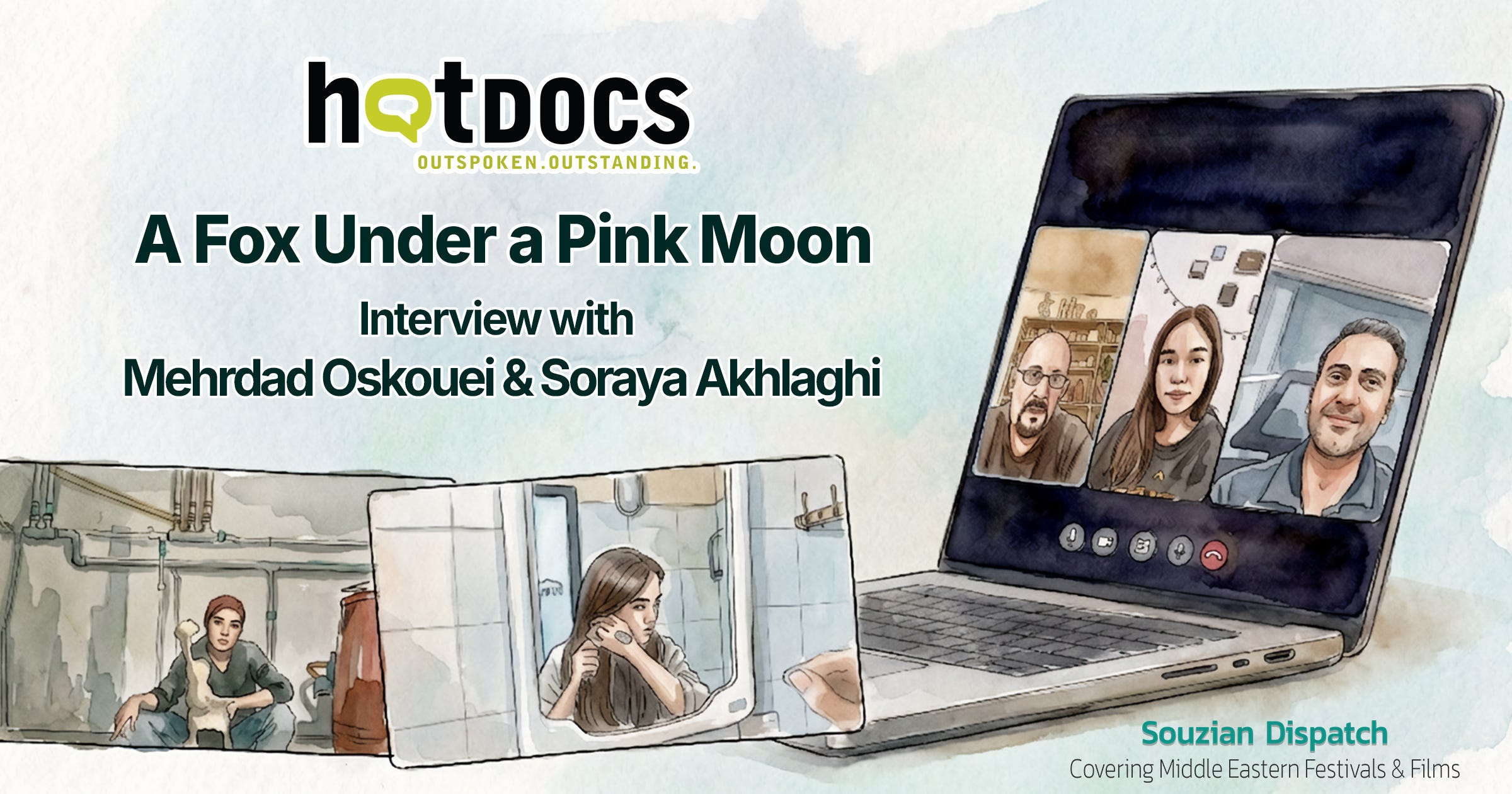
Mehrdad Oskouei in France, Soraya Akhlaghi in Berlin, and I, Abbas Souzian in Istanbul spoke in Persian about the presence of A Fox Under a Pink Moon at Hot Docs 2026. Oskouei said he was glad the conversation was taking place in Persian, adding that some concepts are a little difficult to explain in English.
Oskouei began by referring to his films about teenagers in the Tehran juvenile detention center. He pointed to the four-film cycle of It's Always Late for Freedom (2007), The Last Days of Winter (2010), Starless Dreams (2015), and Sunless Shadows (2019), and said that in these films the characters became more involved in the creative process in front of the camera. His aim, he said, has been to give more power to his characters and to involve them more deeply in the act of directing.
How did you meet Soraya, and how did the film begin?
Mehrdad Oskouei: In 2018, I wanted to make a documentary about the life of a self-taught Afghan sculptor in Tehran. For nearly six months, I went to his workshop in the basement of a building in central Tehran. There, he made papier-mache sculptures with two assistants. It was in that workshop that I met fifteen-year-old Soraya, a shy and introverted girl who would always sit in a corner of the studio, making sculptures while constantly wearing headphones.
Soraya Akhlaghi: I was fifteen at the time, and Uncle Mehrdad would come to see us once or twice a week. In the boiler room in the basement, which we called the workshop, I had to make sculptures. I did not like that space, and I was always living in my own inner and mental world. I would draw and stick my drawings on the walls of the workshop, and I made sculptures to be sold. My works were different from the others, and my manager and employer, who was also my teacher, was not happy that customers were more interested in buying my works because they were different from his and from those of my other colleague.
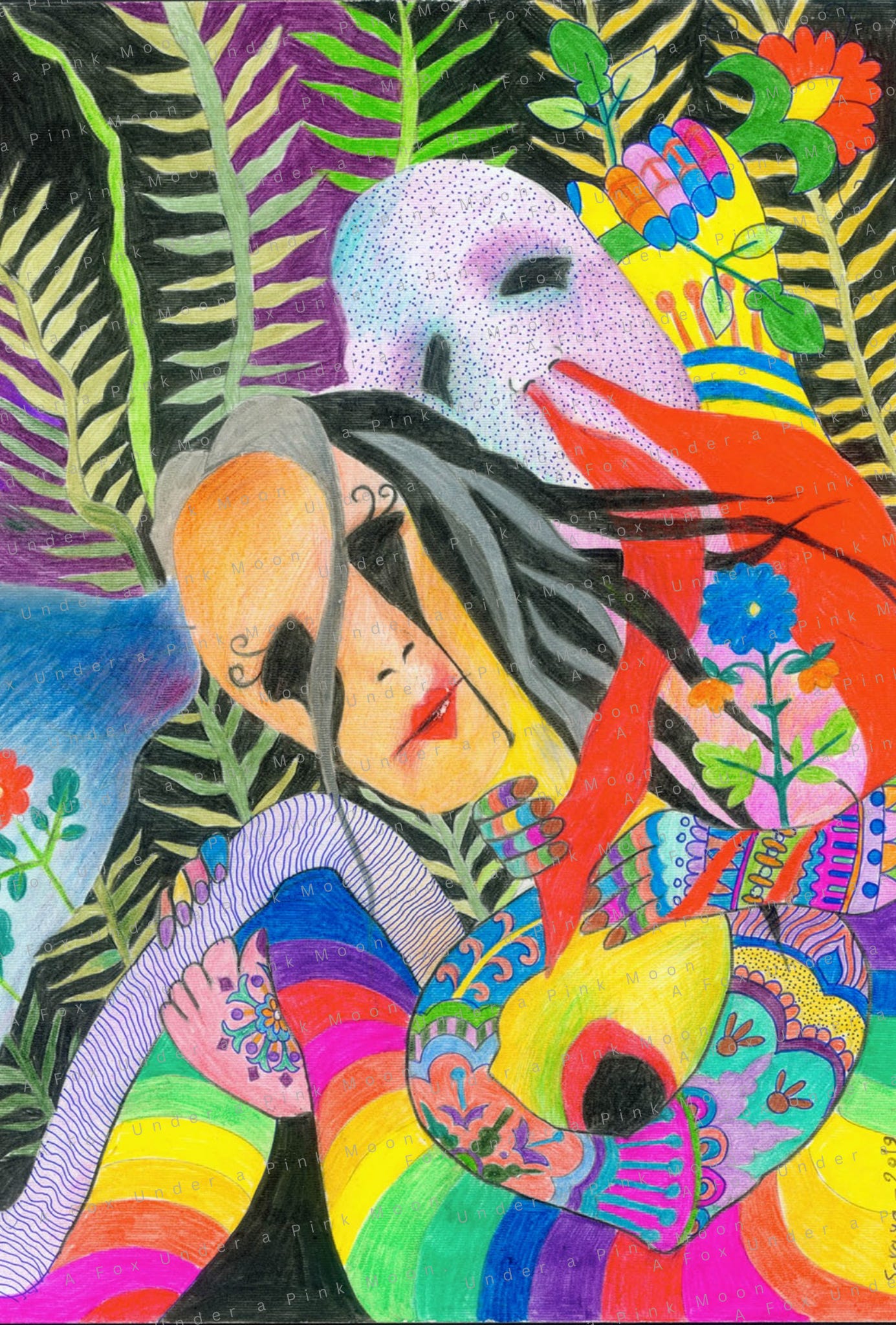
One day, when Mehrdad Oskouei came to our workshop, I asked for his opinion about my drawings and sculptures. He looked at my work and told me, “Your landscape and portrait drawings are good, but things like them can be found everywhere. Try to draw something from your mind and from your inner world, something that belongs to you.” He brought me a pack of colored pencils and some drawing paper. For the first time, I drew a clown. Uncle Mehrdad was moved by that drawing and told me to draw more clowns. I kept drawing clowns. In my own view, especially at the beginning, my clown drawings were not very good. They looked like the drawings of a four-year-old child. But Uncle Mehrdad bought them from me. That was how I began to earn some money from selling my drawings, and it gave me a sweet feeling that I was selling something I had created from my own inner world.
Later, I showed some of my sculptures to Uncle Mehrdad and asked for his opinion. He thought I was only making the basic structure of the sculptures and that the rest of the creative work was being done by my teacher. I made a sculpture in front of him, and that was the moment when Uncle Mehrdad realized that I was also a sculptor.
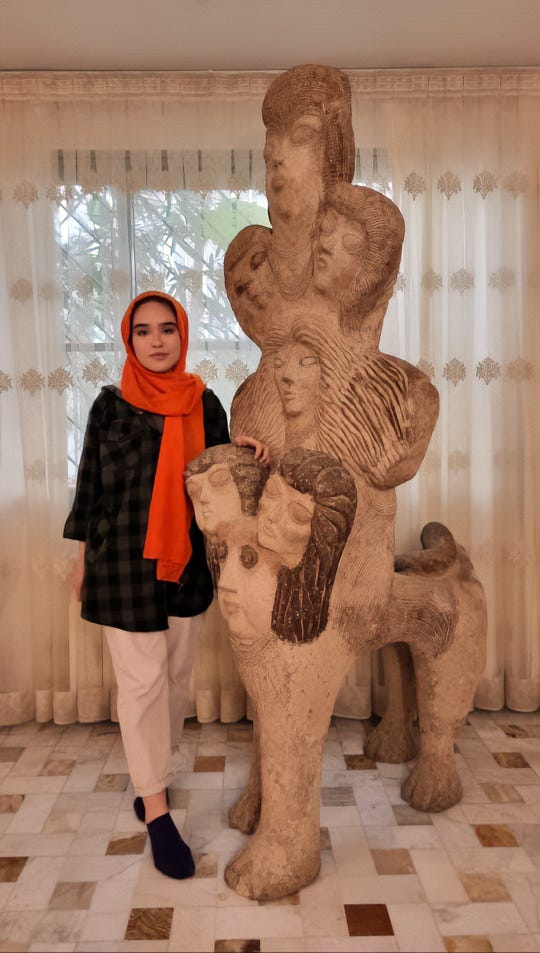
Oskouei adds: I could not believe that the sculptures were entirely Soraya’s own work. After she made a small but strange and beautiful sculpture in front of my eyes, she showed me a huge sculpture, about two meters tall, and said, “I made this one entirely by myself too,” without anyone’s help. That was when I understood I was facing a young but brilliant artist. The price of that giant sculpture was high, and I could not afford it. I asked a close friend to buy the work, and he kindly did so. Now he has dedicated an entire room to that valuable sculpture.
Our hope is that one day this sculpture will go to an important museum of visual art dedicated to emerging and self-taught artists. And I want to add that everything you see of Soraya’s art in the film shows perhaps only one third of her creative ability. Her artistic work and creativity go far beyond this film. You will see her new works in future exhibitions in different countries, and you will confirm what I am saying.
The Threat of Erasing Soraya’s Creative Force
Mehrdad Oskouei explains: There may be many young artists who are even more gifted than Soraya, but they are never seen.
When I saw Soraya’s situation, and heard the story of her life from her own mouth, including her child marriage, the hard and exhausting conditions of her life, and the problems related to her identity documents, I realized that Soraya’s creative force was always under threat. It was being denied. It was being killed. It was not being seen or valued. Soraya’s dreams could find no path to appear in the outside world, and were condemned to remain only in her symbolic and inner world.
That was how the idea of making the film came to me. With my colleagues, and through Soraya’s creative collaboration and her shared filmmaking, we tried to make Soraya a symbol of girls like herself, creative and artistic girls who have no chance to present their art and whose voices are never heard by anyone. I decided to give the mobile phone camera to Soraya so that it could continue the efforts and the voice of girls whose voices do not reach anyone.
Soraya’s fears in the film are real. For example, in the story of people in Afghanistan falling from the American airplane, Soraya brings that into her drawing and art, and combines terror with her art and painting in a creative way. Part of her way of looking at the events around her is very powerful. She is constantly trying, through her art, to point to the fears and suffering that she experiences, and that her people in Afghanistan experience.
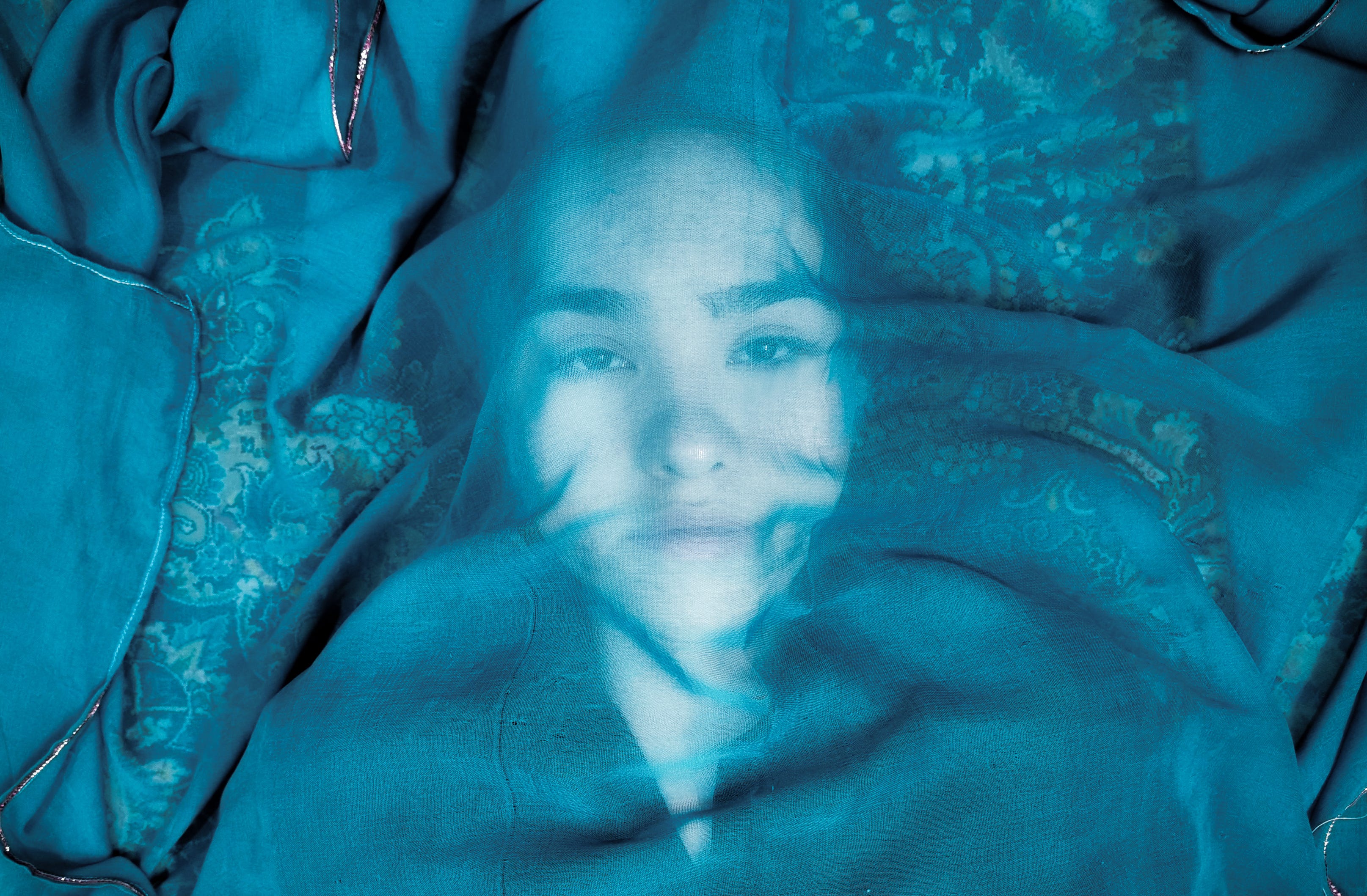
Soraya says about this: I am now living in a refugee camp in Berlin. There are five girls my age in the camp whose lives are very similar to mine. Like me, they came this way alone. And like me, they are 23 or 24 years old. Whenever I speak with them, I see that they have all gone through these hard conditions, and some of them have even experienced things more terrifying and more horrifying than what I went through.
I am happy that Uncle Mehrdad and his colleagues gave me this opportunity and taught me to film my life and my art. With this film, Uncle Mehrdad helped me not only to speak for myself, but also to become a voice for them. At first, I did not like being in front of the camera very much or showing my face, but little by little I tried more. My personality is such that when I am afraid of something, I have to go right into the heart of it, and then I realize that it was not so frightening after all.
Filming our film and appearing in front of the camera also helped me gain much more self-confidence. I believe in myself much more now. In these seven years, I have changed a lot. I have grown up.
Oskouei continues: For me, it is important to understand how a young girl lives in dangerous conditions and how she saves her own life. Political systems in the Middle East, especially in Afghanistan, whether intentionally or not, place an enormous pressure on people like Soraya, and the delicate shoulders of such individuals do not have the strength to carry all of this pressure and hardship. Soraya, however, is trying through her art and creativity to protect human dignity and to fight for it. In fact, it is about defending human dignity through art and preserving it.
Soraya says with pride: I deserve to live in a world that can pay attention to my art.
Then, referring to the dangers Soraya has faced, Oskouei says: That is why Soraya consciously walks toward danger and knows what kind of path she is stepping into. And because until now Soraya’s story, and the stories of young people like her, had no narrator, I am glad that with our team we were able to create the conditions for Soraya to film and present her own narrative.
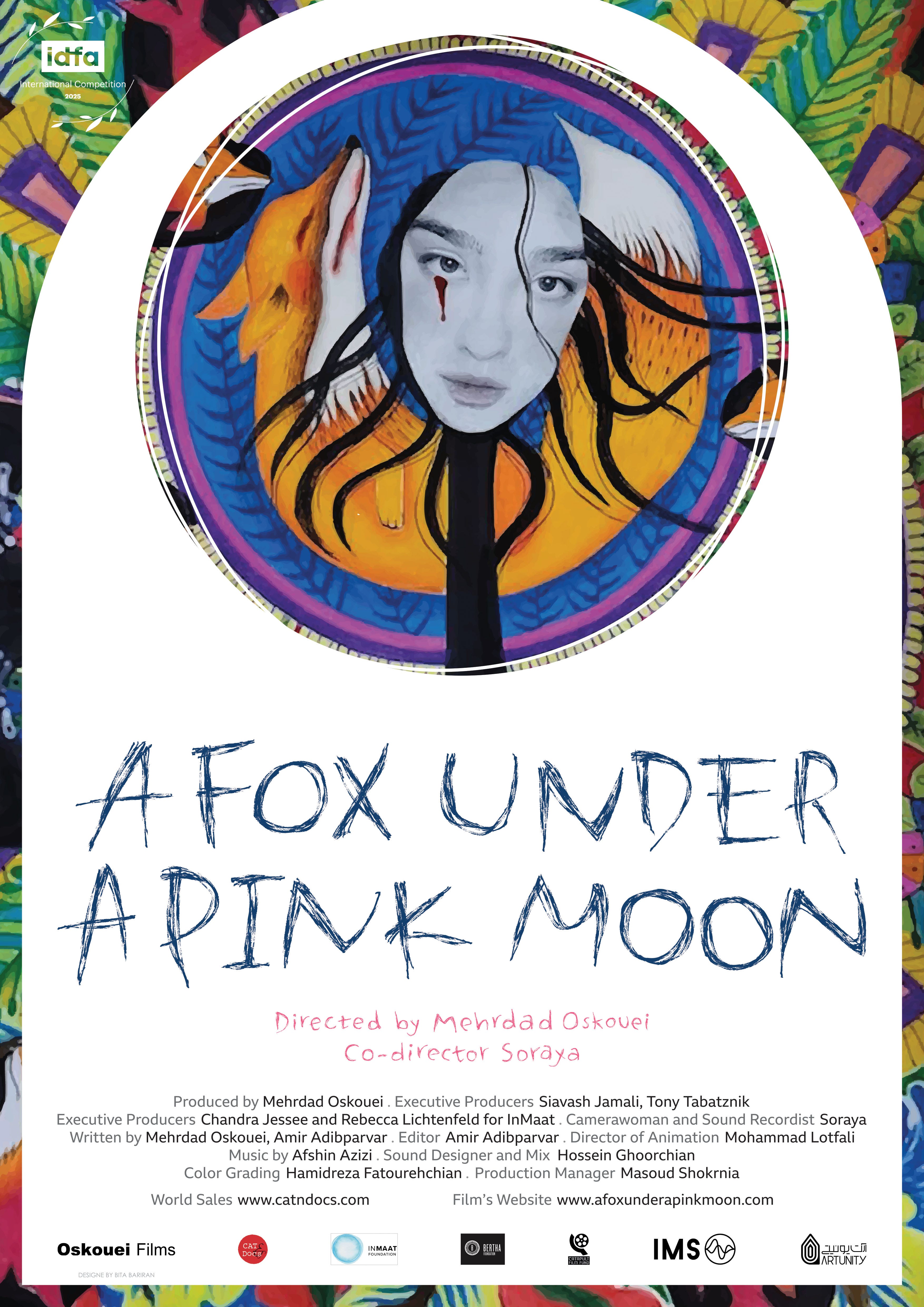
Soraya’s Inner World and Art
I asked Soraya: Please tell us about your inner world, and about the way you see painting, sculpture, and art. Throughout the film, I kept thinking of the creation of a new Frida Kahlo.
Soraya replied: We have many different artists. Each person shows their art in a different way. One through painting, one through guitar, one through sculpture. I think my weakness is opening up and talking. So because I cannot speak directly and talk about my pain, I show my pain through my art. Through my drawings and my clowns, I speak about my pain and suffering. I show my fears through the sculptures I make in the form of demons. I share my loneliness with the moon.
Abbas Souzian: It was very powerful throughout the film that you recorded your art, your paintings and sculptures, in moving images. Because you cannot carry your paintings and sculptures with you everywhere.
Soraya: I used to draw, make sculptures, and do many artistic things, but I kept none of them. If Uncle Mehrdad had not been there, I would not have any of my clown drawings now. He archived all of my drawings. We are now planning to exhibit them in several places. On Sharedoc, I have put a limited number of copies of my clown drawings up for sale, and viewers of our film who become interested in my work buy them. So far, my work has been received very well. If Uncle Mehrdad had not been there, I could not have brought my work to people. Uncle Mehrdad was the only person who gave value to me and to my art, and encouraged me to continue, and I will remain grateful to him for the rest of my life.
I asked Soraya what she would have done if refugee status had not been possible, given the conditions she was living under and the fact that she had no identity documents.
Soraya answered very quickly: If I had not been able to reach Europe, and if this refugee situation had not existed, I would have killed myself. I tried three times...
Mehrdad interrupted: Of course, we would not have let her go through with it. We would have found a way to stop those thoughts from reaching that point, and to stop any attempt. During the making of our film, Soraya wanted to attempt suicide three times. I kept talking with her, I listened to her, and I did not let her do it.
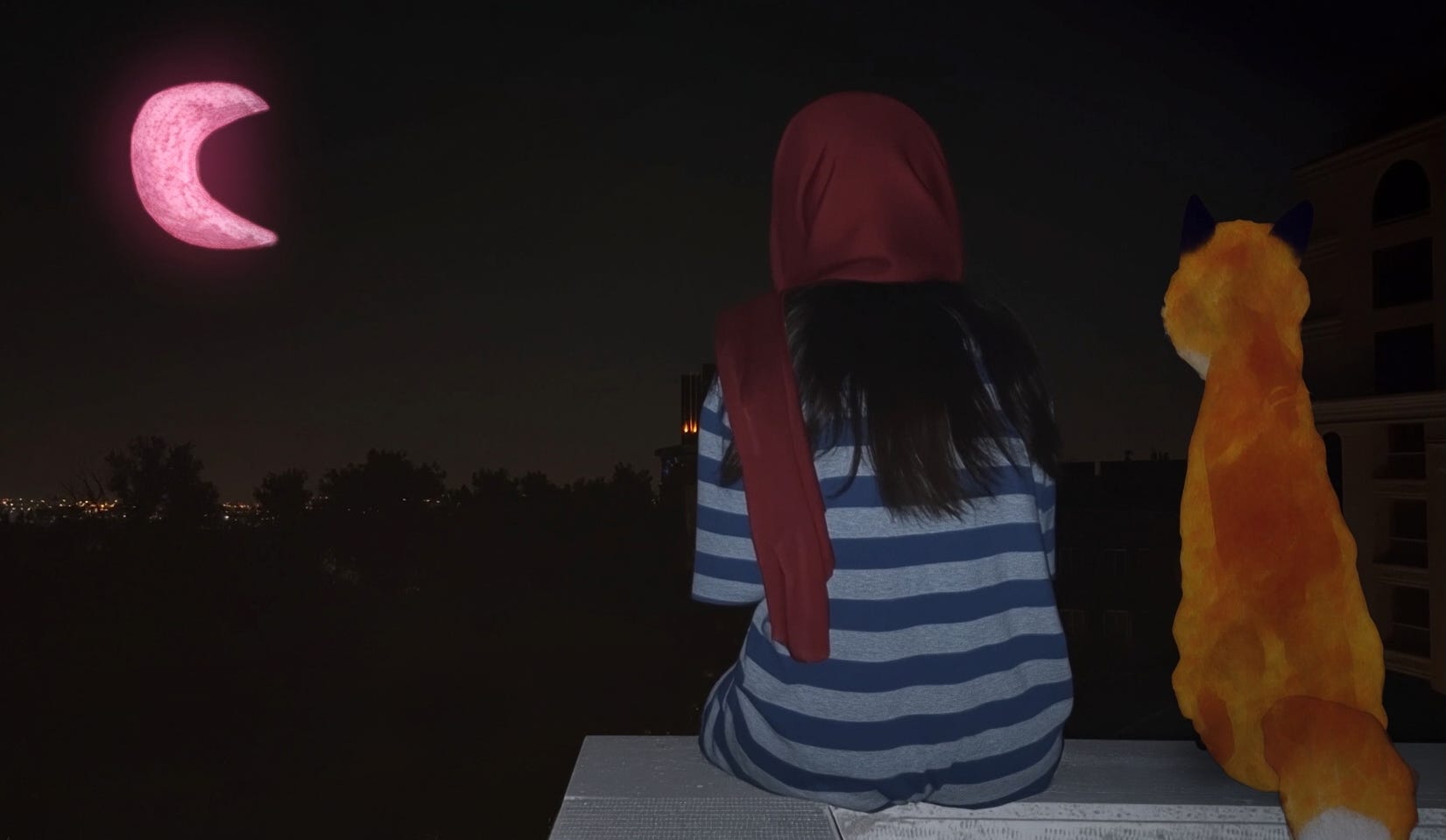
Production of the Documentary A Fox Under a Pink Moon
I asked Mehrdad how this film differed from his earlier works, and to what extent he felt he had moved toward a new form in documentary filmmaking.
Mehrdad Oskouei explained: This film is, in general and in every way, different from my previous films. This form of remote directing, together with animation and shared direction, is the first example of a new trilogy that I want to make in this new form. In this method of filmmaking, the process itself, and the film itself, constantly teaches me and the other colleagues working on it. It is like a university. For seven years, in the university of A Fox Under a Pink Moon, alongside Soraya and my other collaborators, we were learning. Before that, we had no model. We built it, broke it, put it together again, and kept changing the structure and the narrative. I remember that even on the very last day, when the film had to reach IDFA, we were still making changes.
During the five years of Soraya’s filming, we had more than 430 conversations. We also recorded parts of the narration gradually along the way, whenever possible. When Soraya was in Tehran, we invited her to the studio to record narration. When she was not there, her words were recorded through chat and voice messages.
I asked Soraya: When you were recording these events, what was your state of mind? In those moments, were you simply trying to document your own life, or did you already feel that these images might one day become a film?
Soraya said: Aside from the three times when I wanted to kill myself, I was always hopeful throughout my life. I knew it was possible. I knew I could do it. My biggest dream was to reach my mother, whom I had not seen for nine years. At that time, that was my only goal. I started making the film with Uncle Mehrdad, and I began filming. As the film moved forward a little, I also began drawing. I was always thinking about other girls like me, those whose pain is very great, but there is no one to hear their voices, to see them, or to carry their voices to anyone.
I am one of them. If one day this film can become a big film, and many people around the world can see it, I will be very proud of myself, because I was able to be their voice, by putting my life and my safety at risk. That thought always gave me motivation. After I went through that smuggling route several times, my fear fell away, and I kept going with greater strength and intensity. I kept going until I reached my goal, and I kept moving forward until our film was made too.
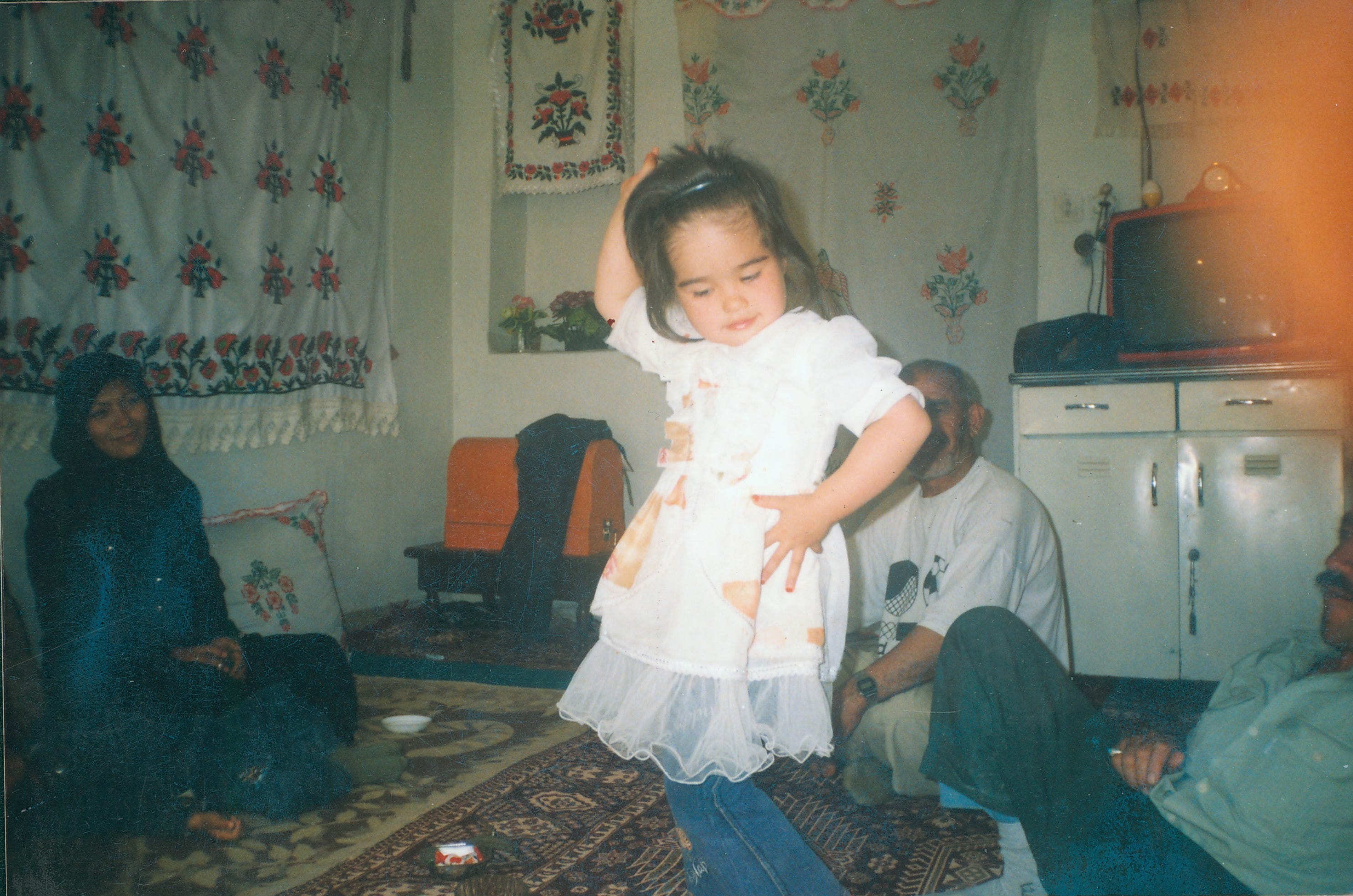
I also asked about the animation process, and wanted to know how that part of the production developed.
Soraya said: I only made the drawings and spoke about them in narration, based on my inner feelings. Then the animation director, Mohammad Lotfali, and his team, with the guidance and collaboration of Uncle Mehrdad, turned these drawings into animation.
Oskouei explained: Whenever Soraya sent us new drawings or new footage, the film was deeply affected, and many times it changed the structure and narrative of the film. The film’s editor, Amir Adibparvar, worked very hard on the editing, because we had a large amount of footage and constantly had to shape scattered single shots into a coherent narrative structure. Alongside that, the writing team, which included me, Amir Adibparvar, and the film’s executive producer, worked a great deal on shaping the narrative of the film.
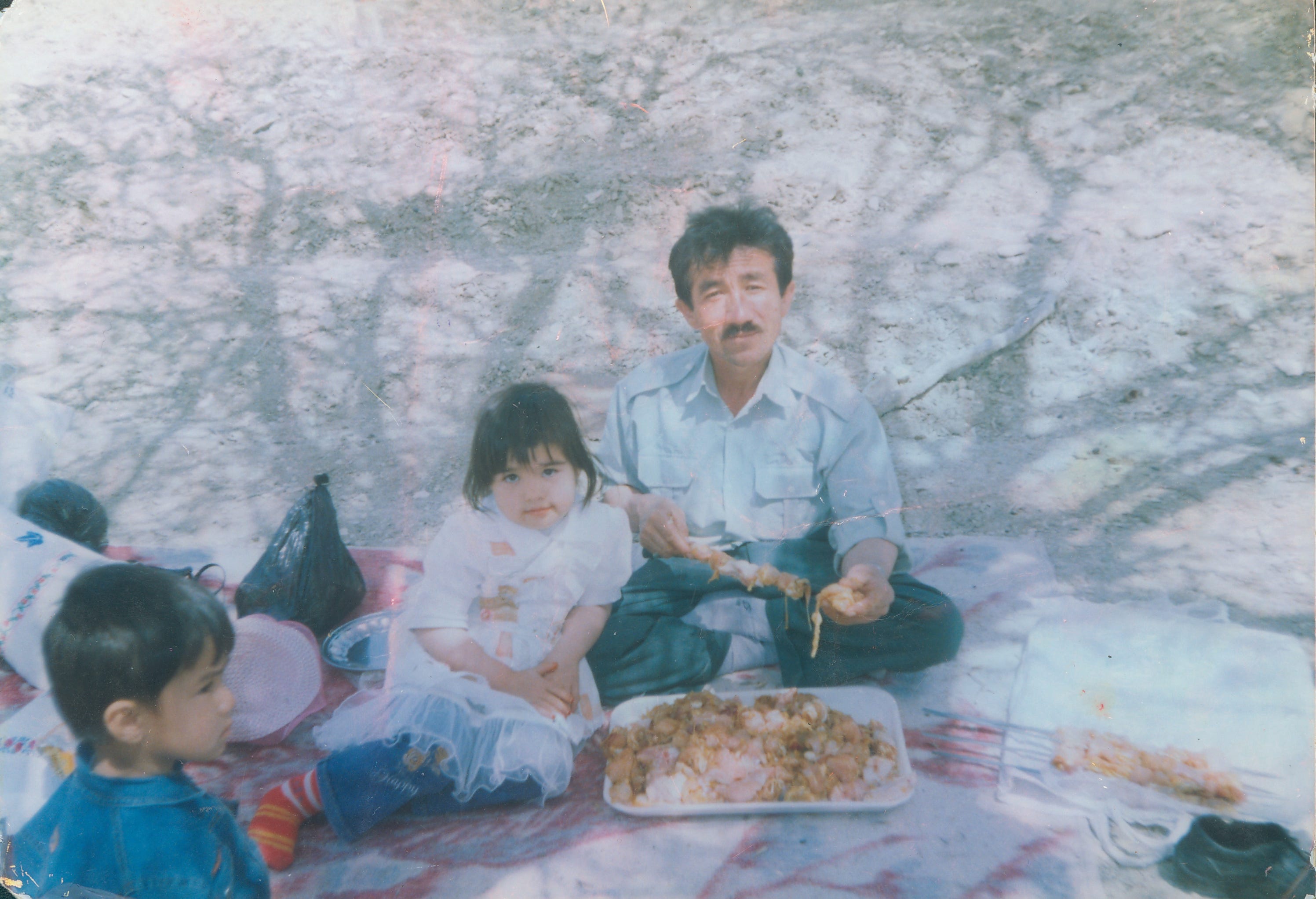
The process of creating the film’s music and sound design was also very complex and time-consuming. The music took four years to make, and Afshin Azizi performed and recorded it several times, but it kept changing so that it could come closer and closer to Soraya’s inner world, and to her mood, atmosphere, personality, mind, and artistic space. Hossein Ghourchian also worked with great skill and experience in shaping Soraya’s inner and mental world through sound, especially in the animation sections.
Siavash Jamali in producing and writing, Masoud Shokrnia in production and as assistant director, Hamraz Rahimi as assistant director, Parisa Oskouei in archiving the images Soraya filmed over five years, and Hamed Kian in studio recording all worked very hard, even though the result of their efforts is less visible in the film. Most of all, it was Soraya’s cinematography that always amazed me.
At the end of the conversation, Soraya told us: Thank you, Uncle Mehrdad. You may have seen my hardships in the film, but just as filming, going through the smuggling route, and living through illegal migration were difficult for me, the film crew also went through just as much hardship. I was aware of their efforts, and I want to thank every single member of our film team.
So far, A Fox Under a Pink Moon has been selected for 18 festivals and has won 15 awards. The film will screen twice at Hot Docs in Toronto: on Thursday, April 30 at 7:45 PM at TLB 2, and on Friday, May 1 at 3:00 PM at TLB 3.
Toronto Screening Tickets
Available via the Hot Docs box office.More Information About the Film
Visit the film’s official website.
License
This piece, published by Souzian Dispatch and written by Abbas Souzian, is licensed under the Creative Commons Attribution-ShareAlike 4.0 International License (CC BY-SA 4.0), unless otherwise noted.
Images & Videos Credits and Rights
Certain images and videos included in this piece are not owned by Abbas Souzian or Souzian Dispatch and are not covered by this license. Rights to those materials remain with their respective copyright holders.