

![Abbas Souzian [Journalist]'s avatar](https://substackcdn.com/image/fetch/$s_!jkIz!,w_108,h_108,c_fill,f_webp,q_auto:good,fl_progressive:steep/https%3A%2F%2Fsubstack-post-media.s3.amazonaws.com%2Fpublic%2Fimages%2Ffa826ba8-cee6-41c0-830f-dfeaee93b2ca_1330x1330.jpeg)
I usually watch historical documentaries with a little distance in time, because the more time passes, the more accurate and useful information becomes available. These films can be helpful, but many of them mostly deal with dates, public events and the larger map of politics.
Magma, the first feature documentary by Mia Bendrimia, begins from a more internal and private angle: from family silence, from things that have not been said directly, and from a filmmaker’s attempt to understand the Algerian part of her own identity.
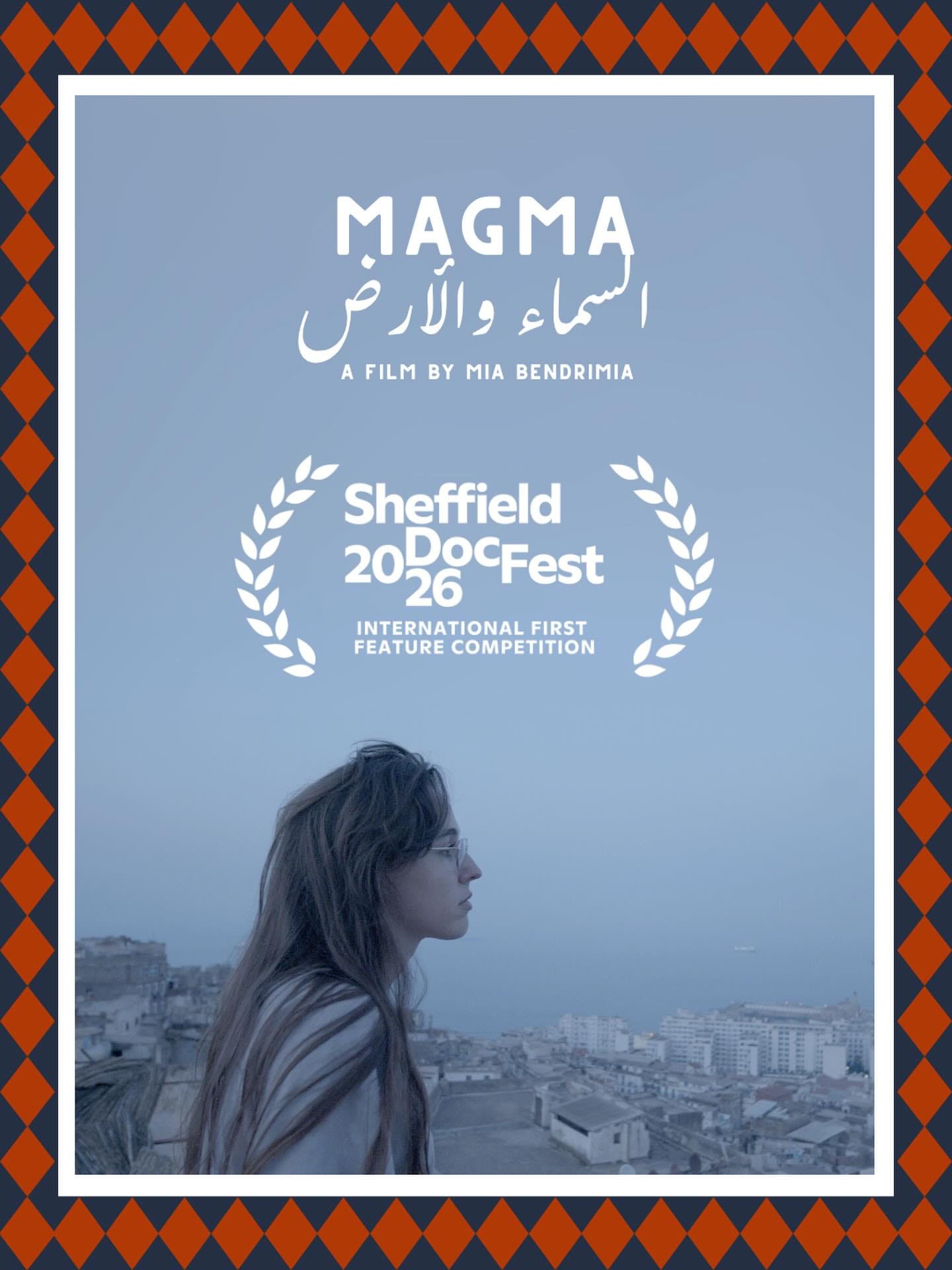
I watched Magma through the online programme of Sheffield DocFest. The film had its world premiere in the festival’s International First Feature Competition, and later won the Grand Jury Award in the same section.
Bendrimia grew up in France, far from many parts of her Algerian roots. In the film, she begins to ask what happened inside her family during the Algerian War of Independence and after the end of French colonial rule.
The answers do not come simply or clearly. Her family history moves across different sides of this conflict, with contradictions, painful silences and memories that do not easily sit together. What begins as a personal question about identity slowly becomes a way of looking at Algeria’s past from inside a family.
This was what I liked most about the film. Mia does not use her own story only as a soft entry point into a larger historical subject. She allows the family story to remain difficult, and does not rush to turn it into a neat and clean explanation.
The Director’s Point Of View And Camera In Presenting The Narratives
There are moments when the film stays very close to faces, rooms and pauses. The framing often makes simple conversations feel heavier than they seem on the surface. The film does not become openly dramatic, but the camera angles create a quiet pressure. As a viewer, you feel that asking a question can move something that has remained still and untouched for years.
For me, this is why Magma feels honest. The film understands that family history is not made only of facts. It is also made of avoidance, hesitation, shame, affection and the small changes in people’s faces, especially when the past comes too close.
The personal story and the national story keep moving toward each other. Mia’s search for belonging is placed beside Algeria’s history of colonialism, revolution, loyalty, accusation and survival. The film moves between these two lines without pretending that one can fully explain the other.
This point matters, because the film is facing a history where labels can become dangerous. In times of war and political rupture, people are quickly reduced to words such as loyal, traitor, victim or survivor. The film does not ignore responsibility, but it also does not make judgment too easy.
For many viewers from the Middle East and North Africa, this situation may feel familiar. In societies shaped by colonial history, conflict or state pressure, private life rarely remains fully private. A family memory, a silence, a relationship, even an old story can carry political meaning.
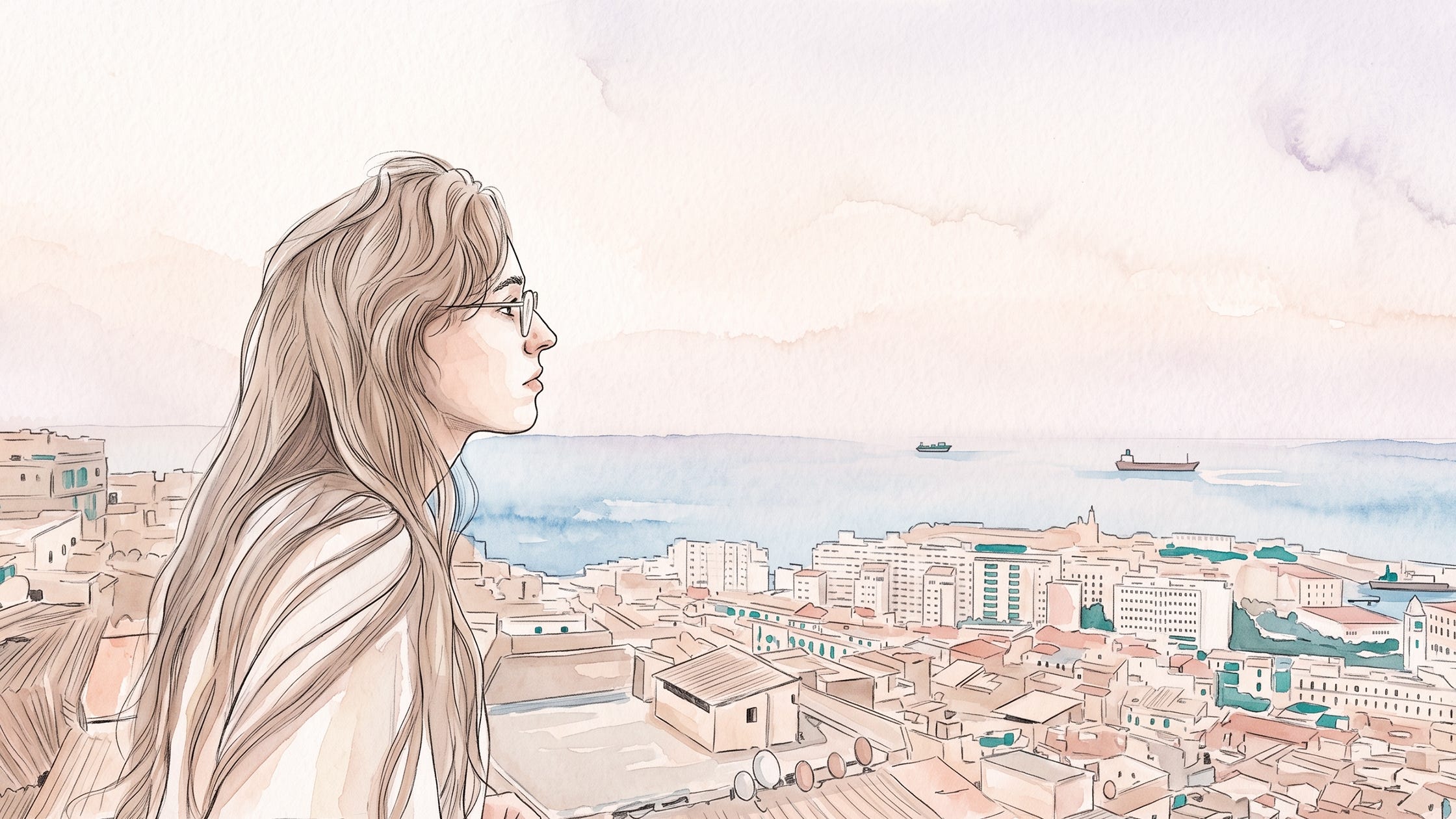
Mia Bendrimia uses personal images, traces of archive, drawing, collage, performance and carefully composed frames. These elements help the film speak about memories that are broken, incomplete or lost. The drawings and collages give shape to the gaps, to the parts of the story that cannot be easily reconstructed.
The title of the film is simple, but it stays in the mind. Magma stays beneath the surface. It is still moving, still hot, even when we cannot see it. The past in Bendrimia’s film works in the same way. It does not remain behind the characters. It moves beneath the life of the present.
Magma is a personal documentary that, through one filmmaker’s search for her Algerian identity, opens a larger question: about family silence, colonial memory and the difficult work of understanding where we come from.
- Abbas Souzian
Magma had its World Premiere at Sheffield DocFest 2026 in the International First Feature Competition, where it won the Grand Jury Award.
The film screened in Sheffield on Friday, June 12 at 6:15 PM at Showroom - Screen 2, and on Saturday, June 13 at 12:45 PM at The Light - Screen 6.
Read more on the official Sheffield DocFest film page:
https://www.sheffdocfest.com/film/magmaFollow Mia Bendrimia on Instagram:
https://www.instagram.com/mia_bendream
About Magma
Magma is a documentary by Mia Bendrimia about a filmmaker searching for answers about her Algerian family’s ties to both sides of the Independence War.
As she looks into the hidden past of her family, Bendrimia uncovers a tangle of buried and contradicting histories. What begins as a personal search for identity slowly opens into a wider reflection on colonial memory, family silence, Algeria’s history, and the difficult work of understanding where we come from.