

![Abbas Souzian [Journalist]'s avatar](https://substackcdn.com/image/fetch/$s_!jkIz!,w_108,h_108,c_fill,f_webp,q_auto:good,fl_progressive:steep/https%3A%2F%2Fsubstack-post-media.s3.amazonaws.com%2Fpublic%2Fimages%2Ffa826ba8-cee6-41c0-830f-dfeaee93b2ca_1330x1330.jpeg)
My Father and Qaddafi begins with a father Jihan does not remember, and with the fear that he might disappear again, this time from a country’s memory.
Jihan looks for a father who vanished when she was six years old, while also trying to understand the Libya that shaped his life, his disappearance, and her own sense of belonging.
I spoke with Jihan online from Istanbul, while she joined from New York City. Our conversation took place on the occasion of her film’s screening at Hot Docs Festival in Toronto and New York African Film Festival at the Lincoln Center.
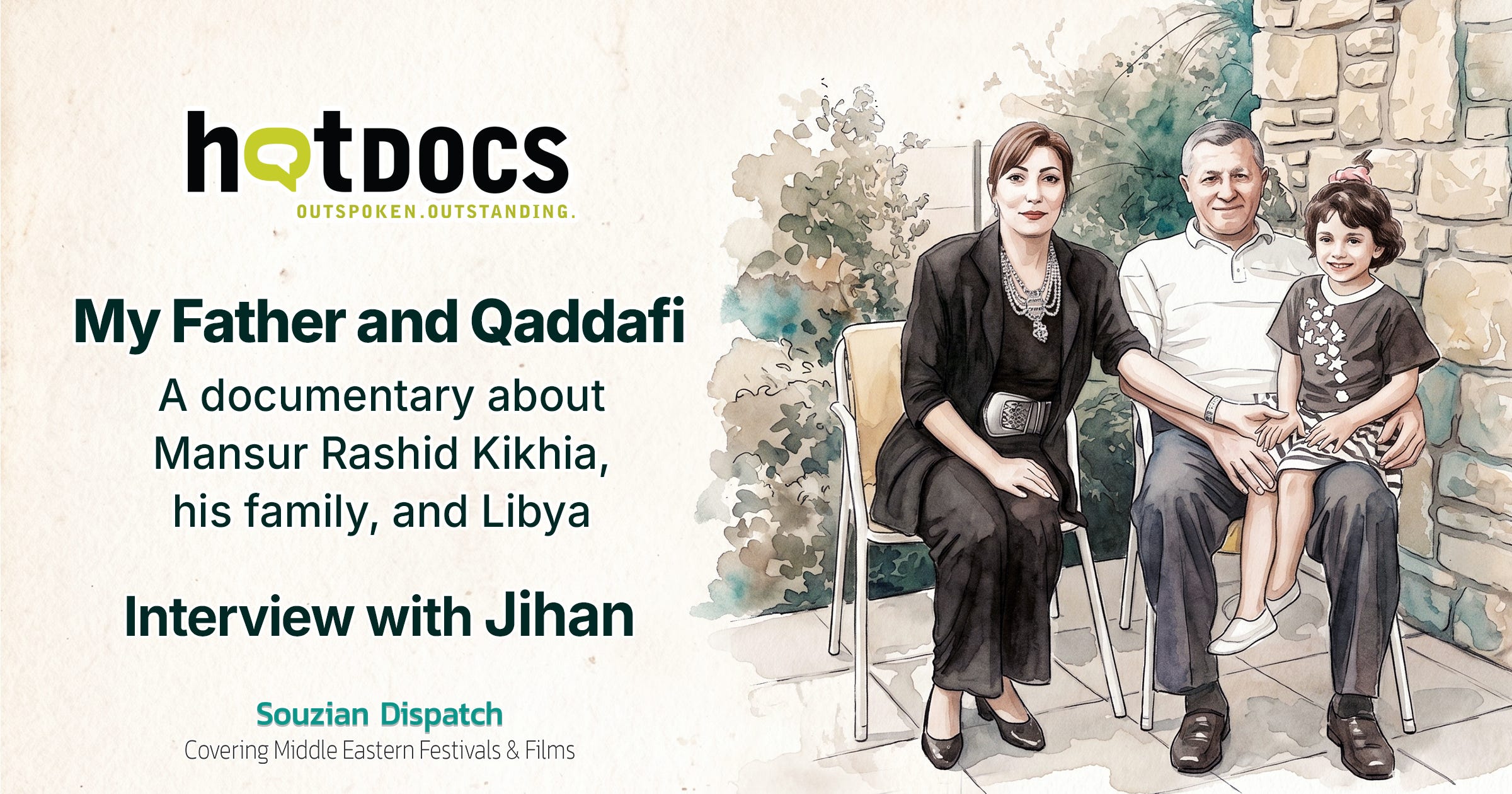
Her father, Mansur Rashid Kikhia, was a Libyan human rights lawyer, former foreign minister, UN Ambassador, and later a respected opposition figure against Muammar Qaddafi’s regime. He was also known for his ability to speak across political lines and bring people into conversation at a time when Libya’s opposition was divided. He disappeared in Cairo in 1993.
In the film, Jihan brings together family videos, historical archives, interviews, and the presence of her Syrian mother, Baha Al Omary. Through these materials, the film moves from a family story toward Libya’s recent history, and toward a country often seen through the name of Qaddafi.
In our conversation, we spoke about memory, archives, her mother, and the long work of bringing a missing father back into view.
Abbas: Hello Ms. Jihan, thank you so much for accepting my invitation for this interview. I am very happy we can have this conversation.
Yesterday I posted a short note in Persian and said that I was going to speak with the daughter of Mansur Rashid Kikhia. I also explained who your father was. To my surprise, almost 12,000 people saw it and many reacted to it.
I really did not expect so many Iranians to know about your father. It made me feel that this story can travel beyond Libya, and that people in our region may connect with it in a very personal way.
Jihan: That is beautiful. My hope is for my film to be shared in many languages and with many cultures around the world. So it would be a gift to have Iranian people connecting with my family’s story.
On The Film’s Perspective And The Image Of The Father
Abbas: When I first saw the title of the film, I thought it would be a political story about someone whose father had a conflict with Qaddafi. But when the film began and you said, “my father,” I understood how personal it was.
What stayed with me is that the film is deeply personal, but you also keep a certain distance. You look at your father as a daughter, but also as someone trying to understand his place in Libya’s history. How did you find this balance?
Jihan: I was raised with this balance. The project came from my heart - from an overwhelming desire to discover my father and myself. It is a search for truth. And it is a search through the lens of understanding and healing. So non-judgment.
I used the film as a way to transition from a passive young girl into a proactive woman who has agency. I am piecing together a puzzle - a portrait of my father. And in order to create a portrait of my father, I need the context of Libya’s history.
And one of the goals, besides my own personal resolve, is to share a story with the world about Libya through a more human and empathetic lens, and to liberate our identity beyond Qaddafi’s monopoly.
The Moment Of Deciding To Make The Film
Abbas: How many years did it take to make the film? And when did the idea really begin for you? Was there a clear moment when you felt that your father’s story should become a film?
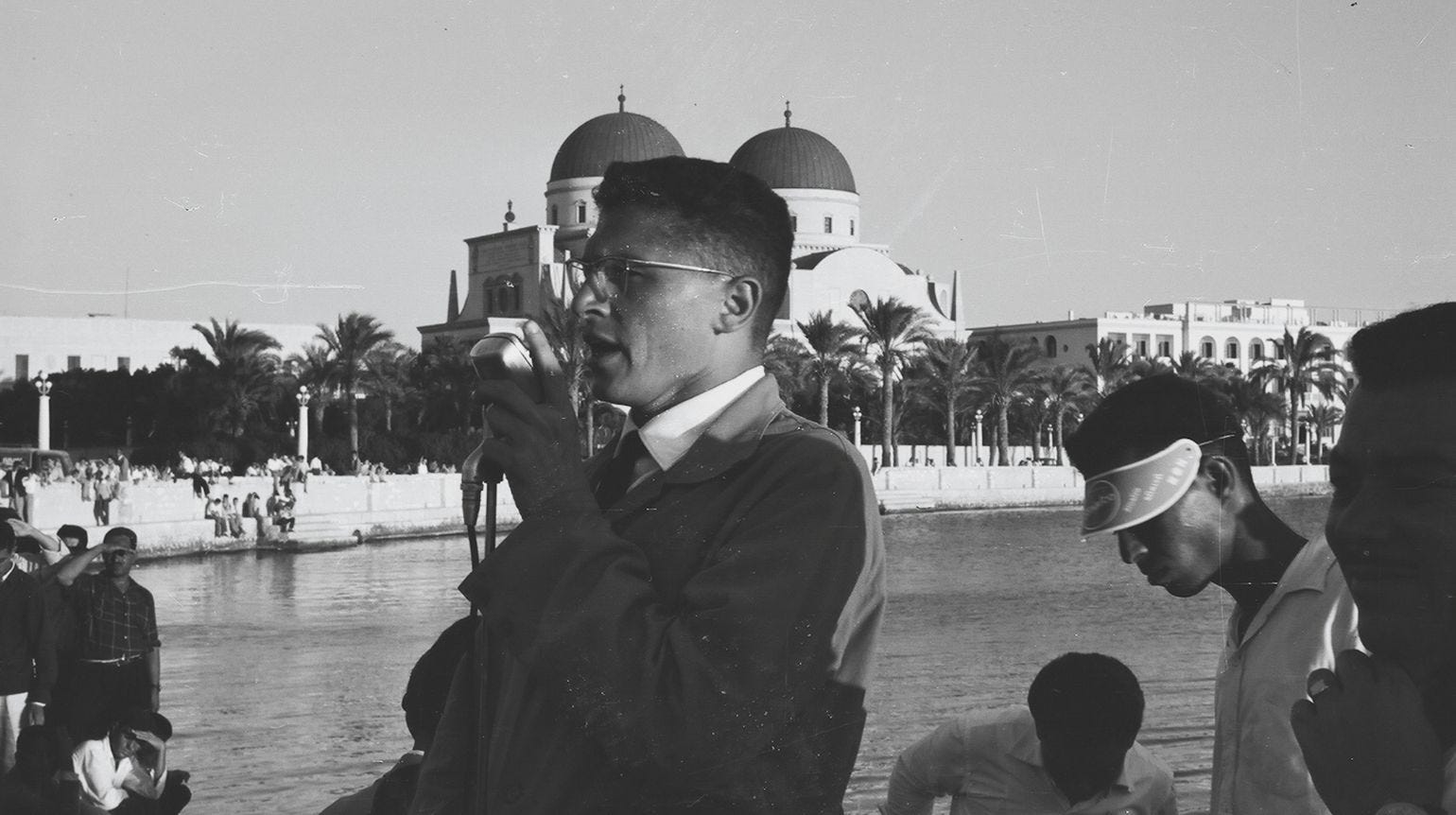
Jihan: The film took 9 years to make. When my father was buried on December 3rd, 2012 in Benghazi, Libya, about one month later, the transitional government, the post-Qaddafi government, collapsed and the country descended into a 6-7 year civil war. So Libya again became inaccessible and dangerous.
As I was waiting for the country to stabilize I realised that my father might disappear a second time - that Libya might disappear and that the country may not have the infrastructure, or the capacity to remember my father. So instead of waiting for the truth to come to me, I had to seek the truth myself. So I decided to tell my father’s story and I chose film as the medium.
I was living in New York City, near my mother, and noticed that she became a little bit more delicate, a little bit older. And this also increased the stakes.
I believed that if my mother disappeared, then all our family stories would disappear with her. My mother was there on the front line searching for my father. She was always my main source of truth.
About The Mother And The Pain Of Hope
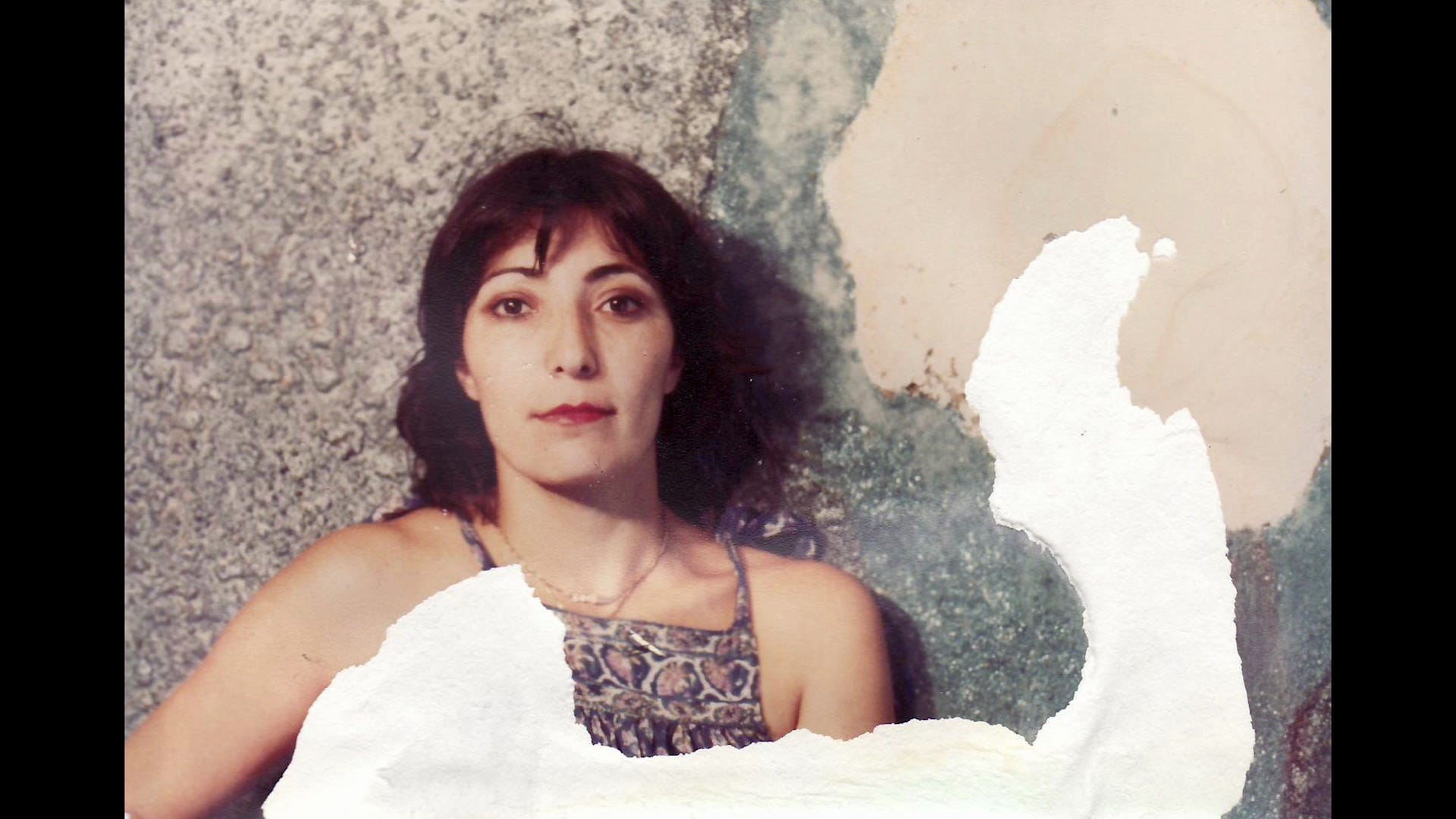
Abbas: There is something very painful in the way Qaddafi’s regime kept your family in uncertainty, especially through the hope of finding your father. I wanted to ask about your mother, Baha Al Omary.
In the film, she is not only a mother. She is also a wife searching for her husband, a woman carrying a long and painful search, and someone who had to protect her children at the same time. How do you see her place in this story?
Jihan: My family was trapped in a prison of hope. And Qaddafi’s regime manipulated that. But when I started making my film, I decided to humanize everybody, because I can’t play God and decide who I humanize and who I don’t. I felt that to complete my mission it was more important to learn and understand than to judge.
I was six years old when my father disappeared and I was 25 when his body was found. My mother invested in our joy and nurtured our innocence. By the time I was 25, I had lived a happy life alongside the trauma. One of the pillars of our family was that my mother told us the truth, and this was empowering and liberating. The effort I’ve put into my film and to share the story about my father is not only a small act of justice but it also comes from a place of loving life and believing in joy and hope in spite of our suffering.
The Mother’s Honesty And The Father’s Memory
Abbas: There is a moment in the film when you say, “I don’t remember my father.” Your voice in that moment felt very honest and very real to me.
I did not feel that you were trying to create a fantasy around him. I felt you were trying to face the truth, even when the truth was painful. Do you think your mother’s honesty helped you approach your father in this way?
Jihan: Yes, my mother kept my father alive through stories. She is an artist—creative, expressive, full of color, music, vitality, and a sharp sense of humor—and she metaphorically painted a semi-abstract version of him for us to grow up with. But she never made my father inaccessible. She spoke honestly about his humanity, his flaws, their disagreements, and the way they challenged each other. She made sure he stayed human.
I lost him when I was six, at an age where memory itself already feels unstable. I think so much of childhood is filled in later by stories, by imagination and beliefs. So my father exists for me somewhere between memory and dream, trapped in this surreal space.
That loss created a duality in me: I feel grounded in reality, but I also carry this constant surreal feeling, like part of me is still living inside the shock of that rupture. Storytelling, poetry, and music—these became ways of reaching beyond the practical world, ways of connecting broken lines and crossing emotional distances. Through this film, I could create an imaginary space where all those fragments could finally meet again.
The Ghost Of Dictators
Abbas: In some of the interviews in the film, I felt that people still find it difficult to speak. The political system has changed, but fear seems to remain. The dictator is gone, but something of him is still there. How do you understand this fear?
Jihan: One of my interviewees said “the ghost of Qaddafi is still ruling us”. Another interviewee said, “At least there was one dictator. Now we have thousands of dictators.” When there is only one person to blame, the world seems deceivingly simple and clear. But when that person is gone, and your long awaited freedom disappears into an illusion – you are left with an overwhelming dilemma. I think that kind of heartbreak could break you. That loss is why I filmed an older generation of Libyan men reflecting on their lives. Many of them are the same age as my father. My father would have been 95 years old if he was alive today. I wanted to give space for that heartbreak, and in some small way, to help heal it. They were devastated to spend over 50 years hoping things would get better, only to reach the other side and barely recognize their own country and people. That is a lot for any human being to carry in a lifetime. It’s also why I kept asking about the older generations’ childhoods—about the lives they lived before Qaddafi came to power. Their memories of those years in Libya are a treasure. This film is my small act of resistance—one story that revives a memory, connects it to today, and offers a little hope and light.
The Film Archive
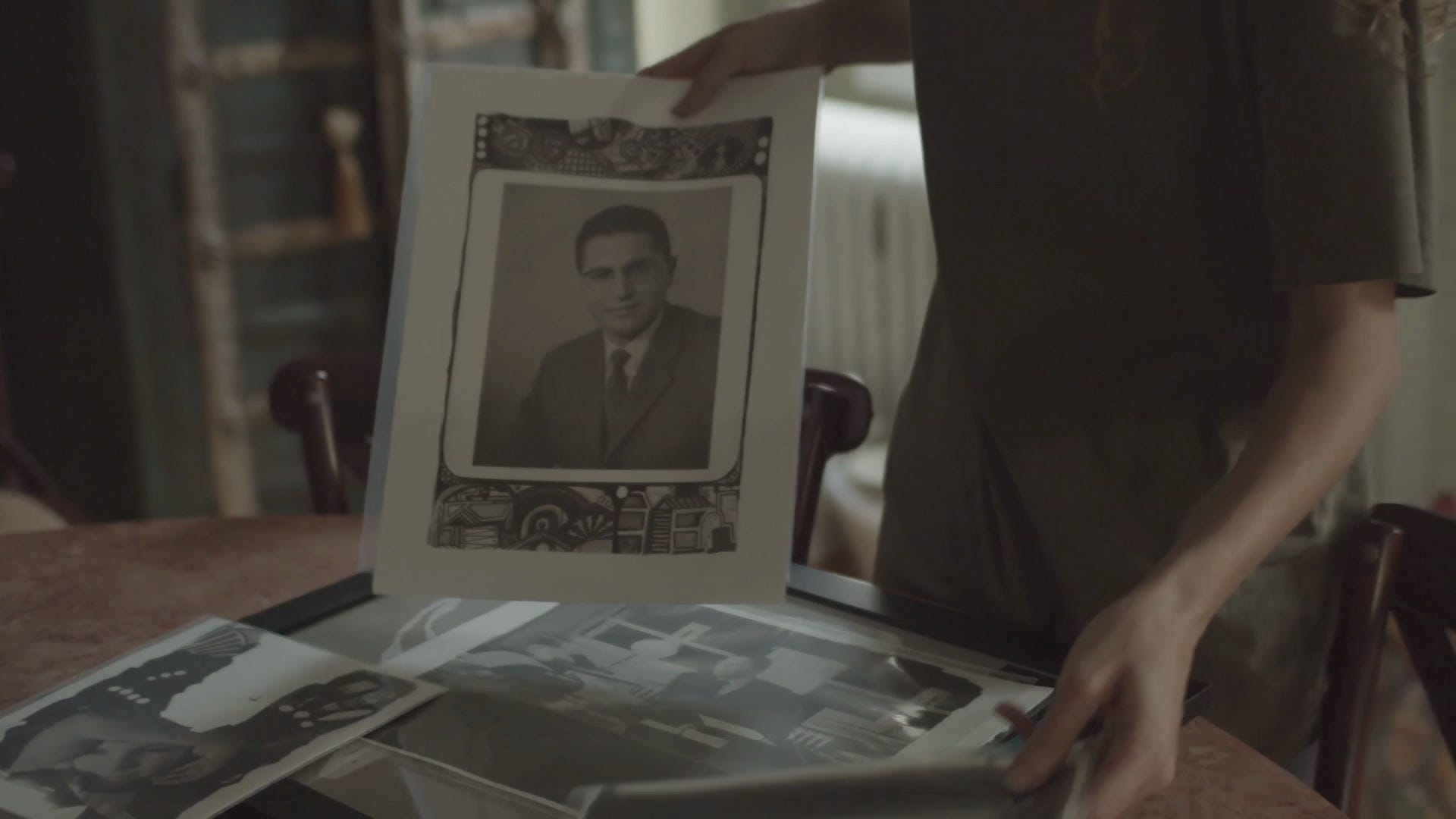
Abbas: The archive in the film is very powerful: the historical footage, the family videos, the voices, the old images, the interviews. It feels like the film is not only searching for your father, but also trying to imagine Libya again. Can you tell me about your work with the archive? What did it give you, and what was difficult about it?
Jihan: I didn’t grow up seeing Libya represented from a Libyan perspective. It wasn’t in the media, and there wasn’t much popular history or cultural content that allowed me to imagine the country beyond Qaddafi’s suffocating grip. That was a big motivation for me. I wanted to separate my Libyan identity from a single political figure and create space to see its history and culture - to connect with the people on my own terms. That’s why I was so committed to using real archival material. I didn’t want shortcuts or reenactments. If I talk about a moment in history, I wanted audiences to see the real images from that time. The archives were a way to help me, and the audience, imagine - or reimagine - Libya.
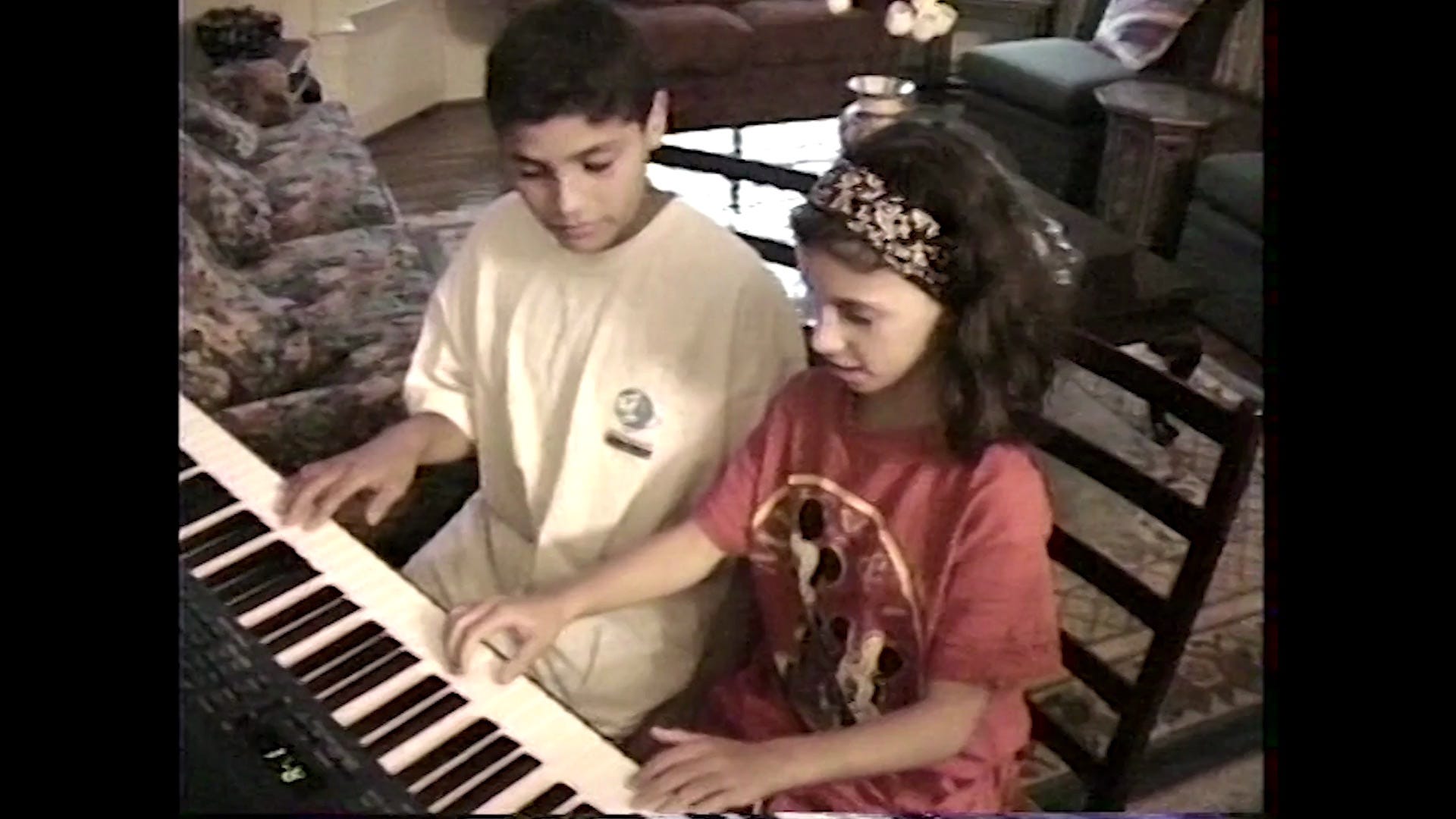
The archival aspect was also deeply personal. I’ve been preserving my family’s photos, videos, and recordings since I was a child, so in some ways this film feels like the culmination of a lifetime of collecting and protecting memories. When I decided to make the film, I realized I already had real footage of my family and our search for our father. That raw material became central to the project. It is very much a family film— my sister, Bisan Toron, is a vocalist and we play her music in the film, including the closing song dedicated to our father. The film is a product of a tool that my mother gifted us growing up: that creative expression can liberate us and help us make sense of difficult realities, preserve truth, and find our own voice no matter what challenges we face.
I would like to thank Jihan for taking the time to speak with Souzian Dispatch. With this interview, Souzian Dispatch concludes its coverage of Hot Docs 2026. My Father and Qaddafi screened twice at Hot Docs 2026 in Toronto: on Friday, May 1 at 8:15 PM at TLB 1, and on Saturday, May 2 at 11:45 AM at TLB 2.
More About The Film:
Visit the film’s official website: myfatherandqaddafi.com.
Visit the film’s page on Instagram: @myfatherandqaddafiFestival Journey And Awards:
The film’s official website lists its world premiere at La Biennale di Venezia, followed by screenings at festivals including Chicago International Film Festival, Doha Film Festival, Marrakech International Film Festival, CPH:DOX, Movies That Matter, Hot Docs, Sydney Film Festival, and others.Selected Awards:
The film has received several awards, including the Jury Prize at Marrakech International Film Festival, Best Documentary at Doha Film Festival, Audience Award at CinemaMed in Brussels, and the Valentina Pedicini Award at MedFilm Festival Rome.
License
This piece, published by Souzian Dispatch and written by Abbas Souzian, is licensed under the Creative Commons Attribution-ShareAlike 4.0 International License (CC BY-SA 4.0), unless otherwise noted.
Images & Videos Credits and Rights
Certain images and videos included in this piece are not owned by Abbas Souzian or Souzian Dispatch and are not covered by this license. Rights to those materials remain with their respective copyright holders.