

![Abbas Souzian [Journalist]'s avatar](https://substackcdn.com/image/fetch/$s_!jkIz!,w_108,h_108,c_fill,f_webp,q_auto:good,fl_progressive:steep/https%3A%2F%2Fsubstack-post-media.s3.amazonaws.com%2Fpublic%2Fimages%2Ffa826ba8-cee6-41c0-830f-dfeaee93b2ca_1330x1330.jpeg)
Palestinian filmmaker Alex Bakri’s Habibi Hussein screened twice at the 23rd Golden Apricot Yerevan International Film Festival, on 12 and 13 July at the House of Cinema’s H. Malyan Hall. The 96-minute documentary is a Palestine, Germany, Saudi Arabia and Sweden production. Alex Bakri directed, photographed, wrote and edited the film.
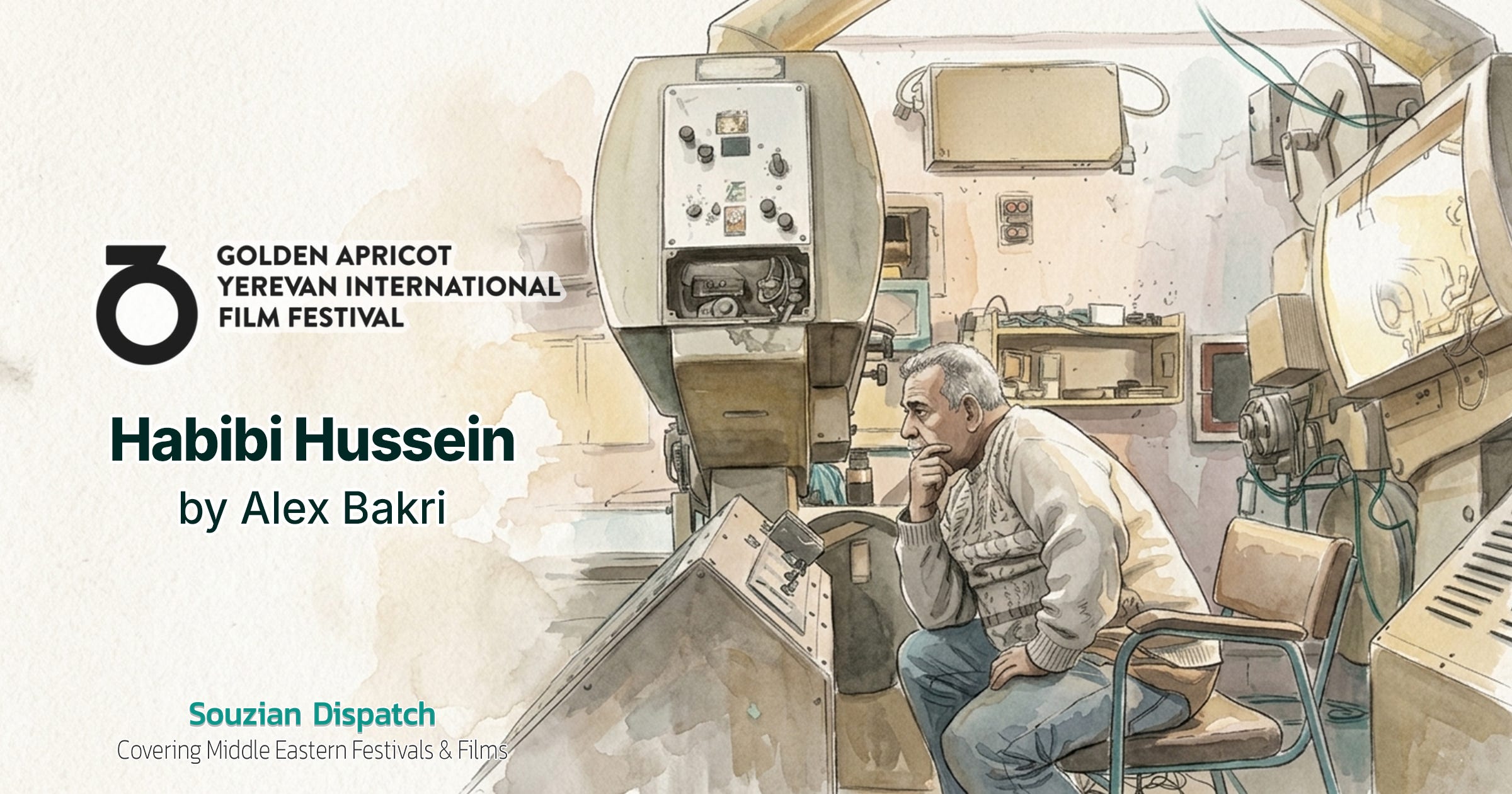
At its centre is Hussein Darby, the last projectionist of Cinema Jenin in the West Bank. When a German NGO arrives to restore the abandoned cinema, Hussein hopes that more than 40 years of experience will allow him to return to his former position.
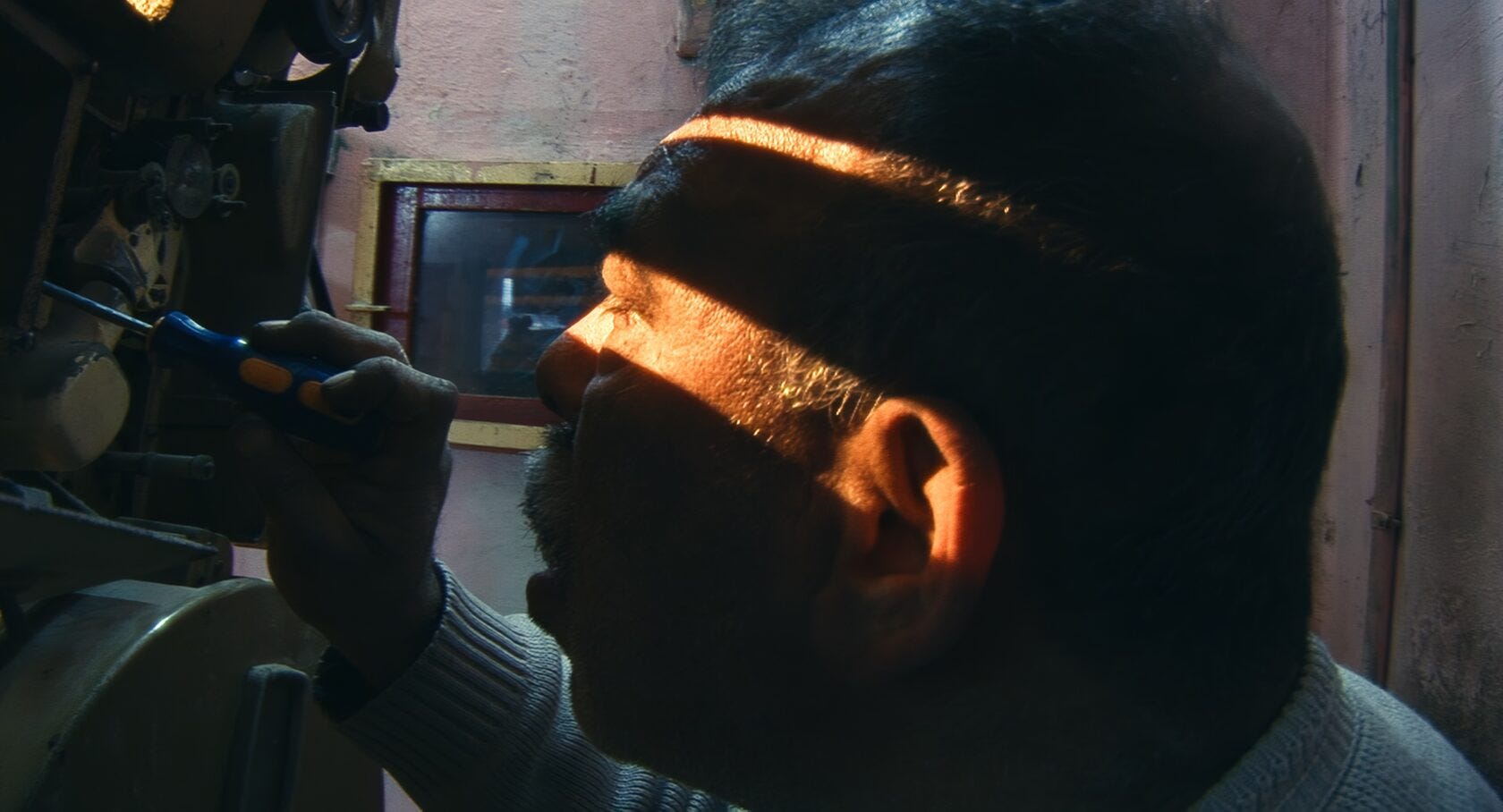
He travels through the West Bank looking for components for an old carbon-arc projector. His knowledge is physical and exact, built from years of handling film and machinery. Yet as the restoration moves forward, he appears to have less influence over the institution being rebuilt around him.
Bakri was part of the Cinema Jenin initiative and filmed the restoration process. In an interview published by Komplex Kulturmagazin on 9 July 2026, after the film screened at the International Film Festival Innsbruck, he said he had joined the project with positive intentions. Looking back, he identified an early problem: “nobody really asked the local people what they actually wanted or how they imagined the project.”
The footage had previously contributed to another film about the initiative. Bakri told the magazine that Hussein occupied only a small place in its first edited version, which did not match the story he believed he had witnessed. He returned to the material and rebuilt the film around Hussein.
A Golden Apricot Daily report by Yasmine Chan, published in Yerevan on 12 July, reads the documentary through the unequal relationship between international organisers and local workers. It points to Hussein’s uncertain employment prospects after his labour helped revive the projector. The report also quotes him describing Jenin as “only good for strangers,” where local people “can’t find their bread.”
The film does not ignore the hope created by the project. Bakri told Komplex Kulturmagazin that the work brought energy, volunteers and new friendships to Jenin for almost two years. His concern is that decisions and the public story of the restoration remained largely outside the community.
Hussein died before the documentary was completed, although Bakri said he had watched several edited sections. Cinema Jenin was later demolished and replaced by a shopping mall, leaving the film as a record of the building, its projectionist and the promises surrounding its return.
Habibi Hussein screened at the 23rd Golden Apricot Yerevan International Film Festival. More information is available on the official festival film page.
Follow Souzian Dispatch for continued coverage of the Golden Apricot Yerevan International Film Festival.