


When adults leave their home countries, they usually have reasons for doing so. Yet their journeys are often discussed in terms of immigration laws, borders and whether they entered a country legally. But what place do children have in these decisions? They leave behind schools, friends and familiar places, often without knowing where they will live next.
For children, settling into a new country means learning a language, making friends and finding their place in an unfamiliar environment. School can play an important role in this process. But what happens when a family’s future remains uncertain, and how can teachers help children continue their education and everyday lives?
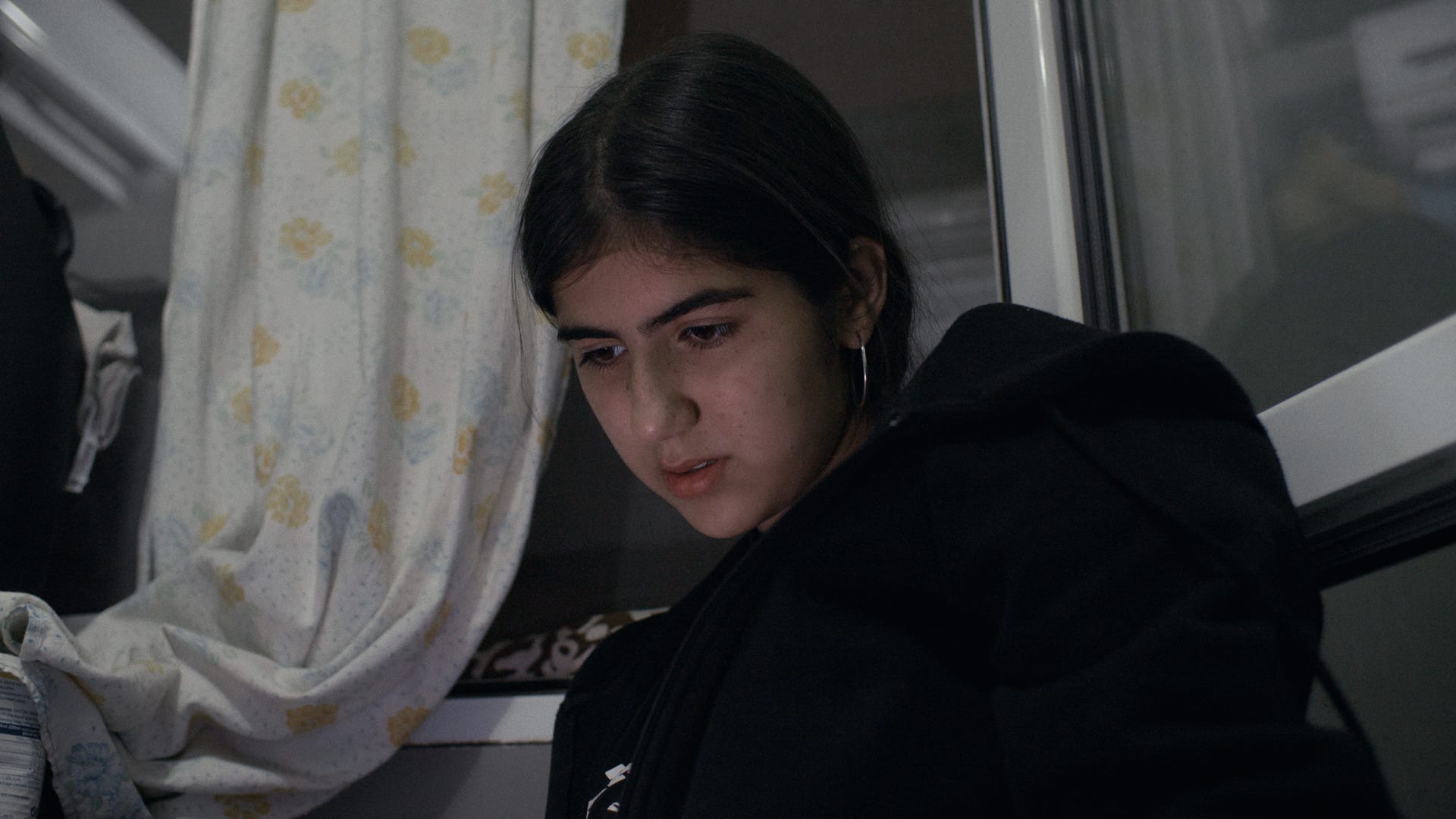
Moving Sisters follows Hanieh, Shazieh and Nazieh, three Afghan sisters who spent part of their childhood with their father in the Eleonas refugee camp in Athens, while their mother was in Germany. As the family waited to be reunited, the girls went to school, made friends and gradually built a life in Greece.
Greek filmmaker Christos Stefanou met Shazieh and her family while working as an education coordinator at the camp. He spent seven years filming their lives, with the sisters contributing their own footage and taking part in decisions about the film. The 92-minute documentary had its world premiere at DOK Leipzig in October 2026, where it received the Young Eyes Film Award.
The Filmmaker and the Sisters
Abbas Souzian: You first met the three sisters through your work in refugee education. How did the idea of making a film grow out of that relationship? And how did your experience as a teacher influence the way you approached filmmaking?
Christos Stefanou: The idea grew out of a necessity to tell the story of hundreds of refugee children living in Eleonas camp, and more generally in refugee camps across Greece, in a prolonged situation of waiting, often with their families torn apart.
I am a high school teacher with a long-standing interest in visual storytelling as an educational space for young teenagers. I have been making school films with high school students for many years. When I took a position as an education coordinator in Eleonas camp, I met Shazieh and her family, who were living in this difficult situation. I invited her and other teenagers in the camp to participate in documentary workshops and try to make their own film. A short participatory documentary, Playing with the Lens, was created. It was Shazieh’s first encounter with documentary filmmaking.
A year later, as I was supporting Shazieh through a difficult period at school, we became closer, and she started to talk more about her situation. At that time, I had also started a PhD at the University of Athens with the invaluable support and guidance of Professor Alexandra Androusou, with whom I wanted to explore the experiences of young refugees living in Eleonas camp through visual research methods.
Initially, I was thinking of working with interviews. But one day, as we were talking, I suggested to her the idea of making a long-term observational documentary. At first, Shazieh was a little hesitant about being in front of the camera, but her father and her sisters agreed to participate. I explained to them that this could eventually become a film, but only if things went well for them. I didn’t want the film or the filming process to put them in any danger. This was always my greatest concern, and it remains so even today.
For me, as a teacher and filmmaker, the starting point was the admiration I felt for the courage and dignity of all the refugee children I was meeting every day in the camp. I wanted to tell their story through the everyday lives of the sisters, without focusing only on the difficulties they were facing.
I think my experience as a teacher in the camp for 5 years influenced the way I approached the film, especially in the importance I gave to building relationships, listening to the children, and allowing time for things to develop. I wanted the filmmaking process to be a space where the sisters could express themselves and participate in telling their own story.
Abbas: You mentioned wanting to show their everyday lives without focusing only on their difficulties. I think that really comes through in the film.
One thing I really appreciated about the film was that you don’t feel the need to explain Afghan people to the audience. The girls dance, laugh and live their lives. You don’t stop to explain why they don’t wear hijabs or why they dance. We simply see them as they are.
How did you manage to move away from the stereotypes that often shape the way Afghan people, especially women and girls, are portrayed on screen?
Christos: Making a documentary is about seeing and believing in the people you choose as your characters. It is also about the encounter that happens before the camera comes in.
My encounter with the Afghan community began long before I had the idea of making a film. Through this encounter, I had the opportunity to get to know many Afghan women and interact with them in everyday life in the camp. The people I got to know were far from the stereotypes and familiar representations of Afghan women.
Spending so much time close to the Afghan community, as the person responsible for supporting their children’s integration into school, was the best way to shape my way of looking at them and to free myself from these stereotypes.
The film carries this point of view within it and doesn’t need to explain its characters. It believes in them and tries to remain simple but sensitive. It is about trust. If the girls hadn’t trusted my way of looking at them, this film would not have been possible.
Now I have to trust the audience and believe in their capacity to look beyond stereotypes and preconceived ideas.
But to be honest, when you have such characters who challenge stereotypes simply by being themselves, I think it would be difficult to make a stereotypical film.
Abbas: How did the sisters become involved in making the film, particularly in creating their own fictional scenes?
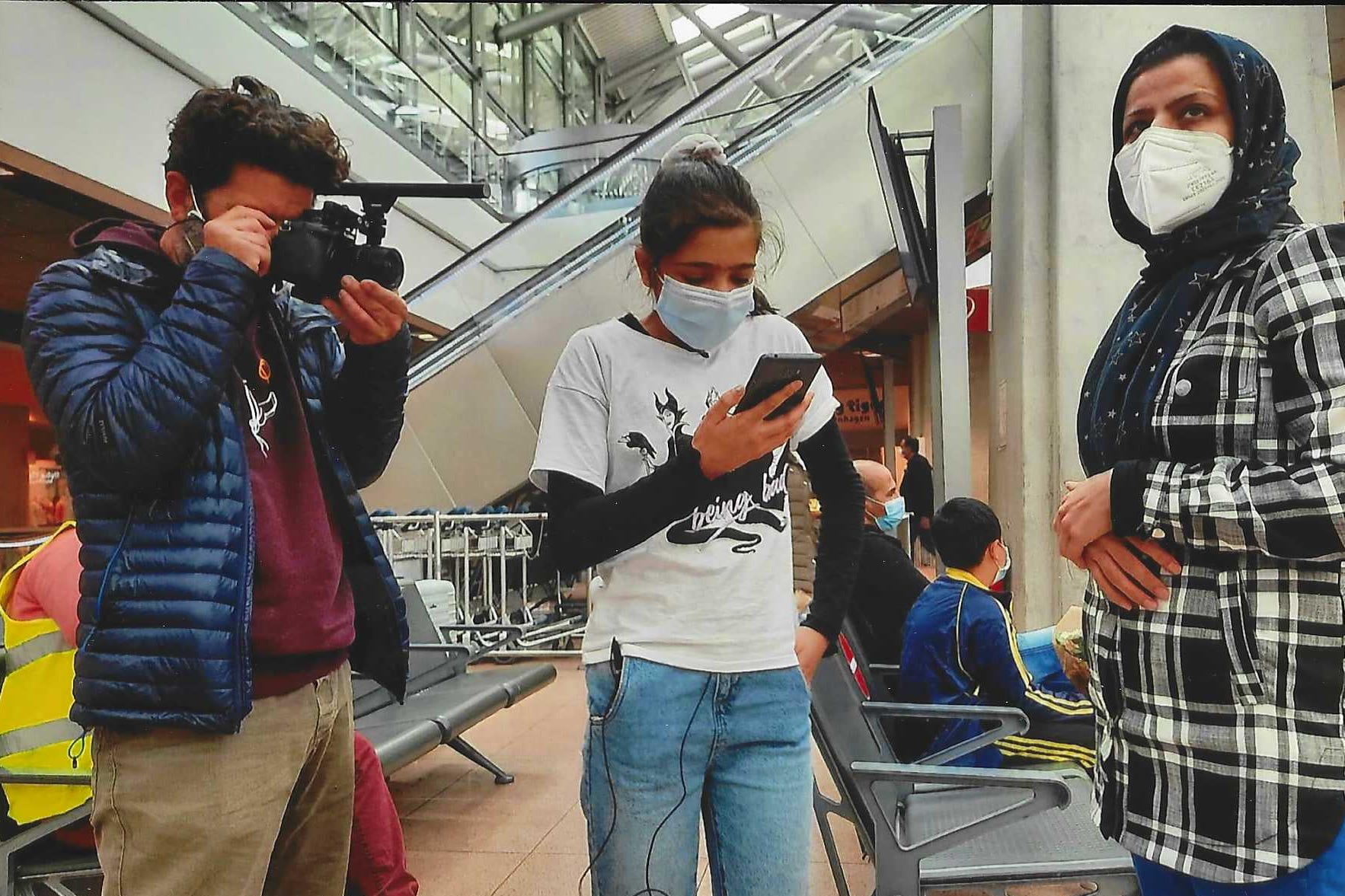
Christos: There is no way to make a good documentary without a collaborative approach with the people depicted. Making it clear that they would also be involved in decisions about the final film was a crucial aspect of the process. They knew that they would have the right to veto anything they didn’t want included, and I would only film a scene if they agreed. Any aspects of their everyday lives that they wanted to leave out would not be included.
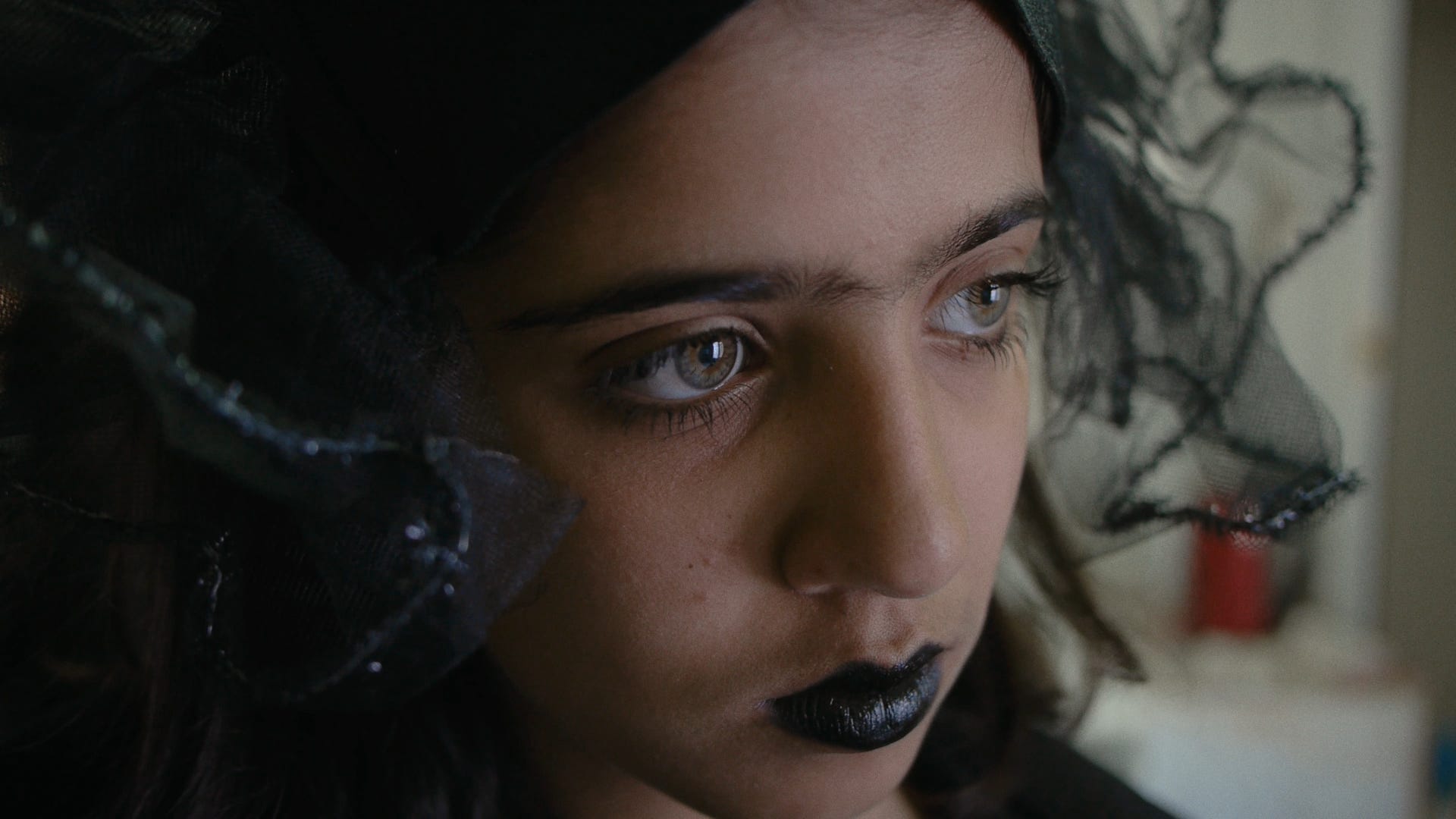
Shazieh’s previous encounter with documentary filmmaking was also crucial. She wanted to contribute her own images, so I gave her a camera to use throughout the project. But as always, children can only surprise you with their creativity. I was expecting her to record everyday moments of her life in the camp. Instead, one day she told me that she had used the camera to record some short, improvised theatrical sketches that she and her sisters had created as a form of play with their best friends. This eventually led to Parvaneh, their short fiction film within Moving Sisters. I am very happy with this contribution, especially in terms of their authorship of the final film.
During post-production, Shazieh’s contribution was also crucial. We sat down together and translated and subtitled all the material from Farsi into Greek. This was also a way for her to go through the entire footage and become involved in the final selection of scenes.
Cinematic Language, Storytelling and Music
Abbas: One thing that really caught my attention was how carefully the music was chosen, especially the use of Iranian music. How did your collaboration with Mahmood Schricker begin? And how did you decide when a scene needed music and when it was better to let the silence or natural sounds speak for themselves?
Christos: I first heard his music in Fremont, a film about an Afghan woman who had found refuge in a small American city, and I was really moved by it. I found the mix of electronic elements with Iranian folk melodies fascinating. I went back home thinking how amazing it would be if this musician could make the music for our film. So I immediately sat down and sent him an email from Athens to Toronto. As this was my first feature documentary, I wasn’t very optimistic. But he liked the project and was very interested in collaborating. That was a great asset to the final film.
Together with our editor Rodrigo Hernandez, we carefully chose the moments where Mahmood’s setar and compositions could become part of the film’s soundscape.
We wanted the music to accompany the natural soundscape in a way that wouldn’t impose emotions on the audience. We decided not to use music in scenes that already had a strong emotional impact, but rather in the interludes between actions, allowing the natural sounds and silences to speak for themselves. Mahmood’s melodies were a perfect match for this approach.
Abbas: You mentioned how important it was to let the natural sounds and silences speak for themselves. Language is another interesting part of the film, as we hear the sisters speaking different languages over the years. How did you approach filming conversations you couldn’t fully understand at the time, and did anything surprise you when they were translated during editing?
Christos: There is something really fascinating about this film in relation to languages. It is a film that was shot without a translator, and without understanding the dialogues while filming. I only had access to the content of the scenes through the explanations the sisters gave me before or after shooting.
The subtitling process with Shazieh during editing was therefore a revelatory experience for me. I was discovering the film I had shot, and fortunately, it was the film I had hoped to shoot. It seems that the long relationship we had built without a camera had helped me develop a more instinctive understanding of the situations.
At the same time, we are talking about a film that follows its protagonists as they move from place to place, learning and speaking two new languages. Fortunately, I could speak these two languages, Greek and German, so as the story progressed, I was able to understand more and more.
When I first met the sisters, we had no common language. Now we share almost four: Greek, German, English, and a little bit of Farsi.
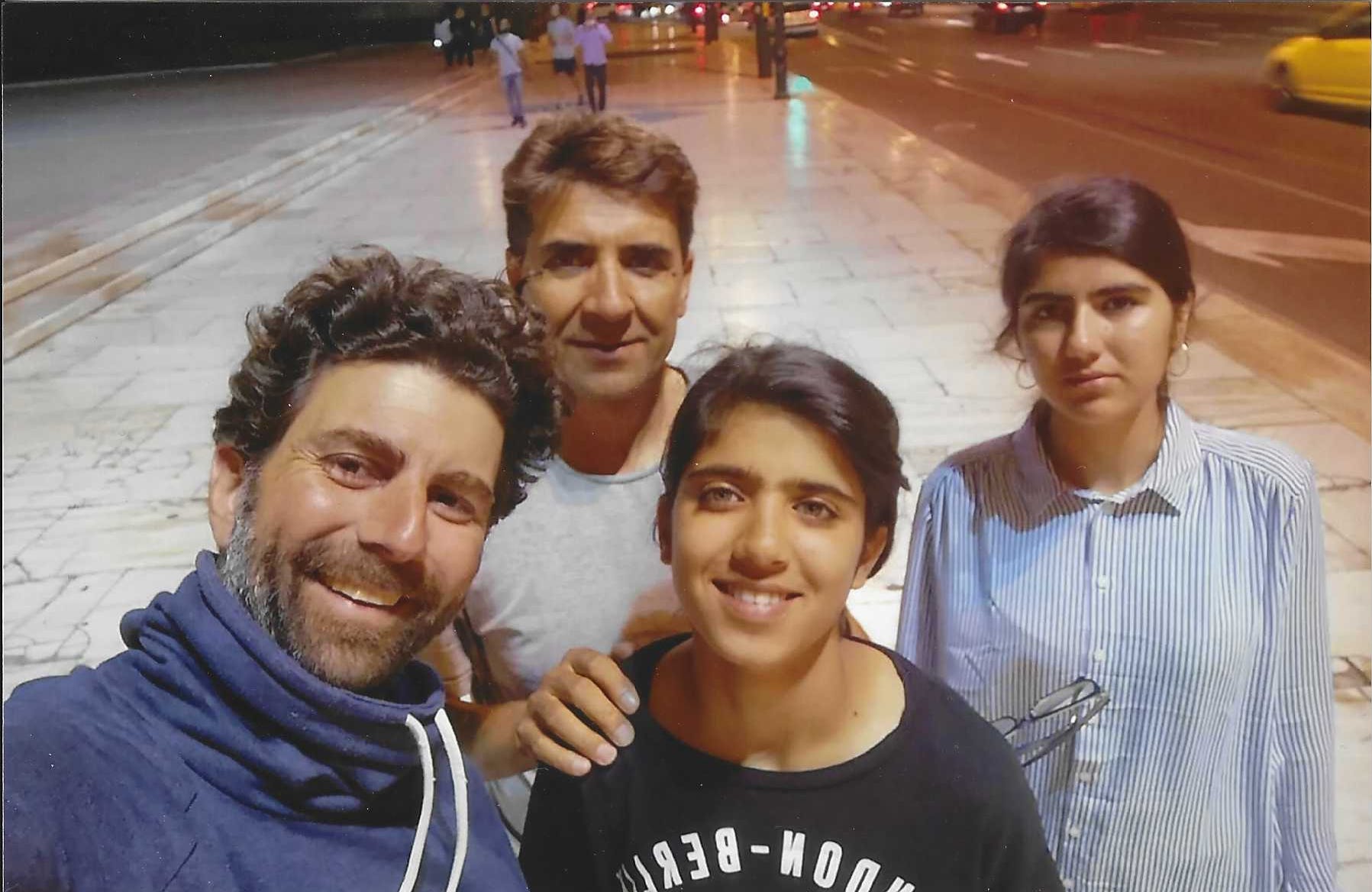
Abbas: When you started filming, the sisters were still children. Over the years, their personalities, hopes and views of life changed. Was there a moment when you realised that the film you had originally imagined was no longer the same film, and that you needed to take the story in a different direction?
Christos: The film I had originally imagined ended when the whole family was finally reunited. But as the editing was going on, and I continued visiting the sisters, I gradually realised that this new phase of their lives was also an organic part of the story.
A long and difficult experience of waiting in a refugee camp during your adolescence, and coming of age later in a new world, are deeply connected. The experience of displacement doesn’t simply end when you reach your destination. It continues to shape your life, your relationships, and the way you see yourself in a new society.
This is especially true when societies are rapidly shifting towards xenophobic narratives that redefine the way your own experience is understood and represented. The girls were growing up and changing, but the world around them was also changing. I felt that this was something the film needed to follow.
The Film and Its Audience
Abbas: Over the years, how did you balance the close relationship you had developed with the family with your responsibility to protect their privacy, both during filming and in the editing process?
Christos: I think this was one of the most difficult parts for me. It all started with a close relationship between the family and me, but as the footage gradually started to become a film, and financing was needed to complete it, we had to set up a real production.
This was the toughest part, because I found myself in a difficult position, trying to balance my relationship with the family and the involvement of film professionals who were necessary to make a good film and secure its financing. It was all about finding the right people who would share the same understanding of how the filmmaking and editing process should be approached, especially when it came to respecting the family and their privacy.
I was lucky to co-produce this film with Michalis Kastanidis and Fabula Productions, who understood these concerns and respected my choices. The same goes for Evgenia Papageorgiou, Rodrigo Hernandez and Elpida Nikou, our editing team, who shared this sensitivity towards the characters and their story. Without their contributions, this film would not have been possible.
Working with visual methods and young refugees means constantly reflecting on the relationship between the researcher, the camera and the people being filmed. Who has the right to tell the story? Who makes the decisions about what can be shown? And how can the people participating have a real say in the way their lives are represented?
These were not just theoretical questions for me. They were part of our everyday filmmaking process. The sisters knew that they could decide what they wanted to share and what should remain private. During editing, my work with Shazieh on translating and subtitling the footage was also an important part of this process, as it allowed her to revisit the material and participate in decisions about what would eventually become part of the film.
I felt that my responsibility towards the family was always greater than my responsibility to the film.
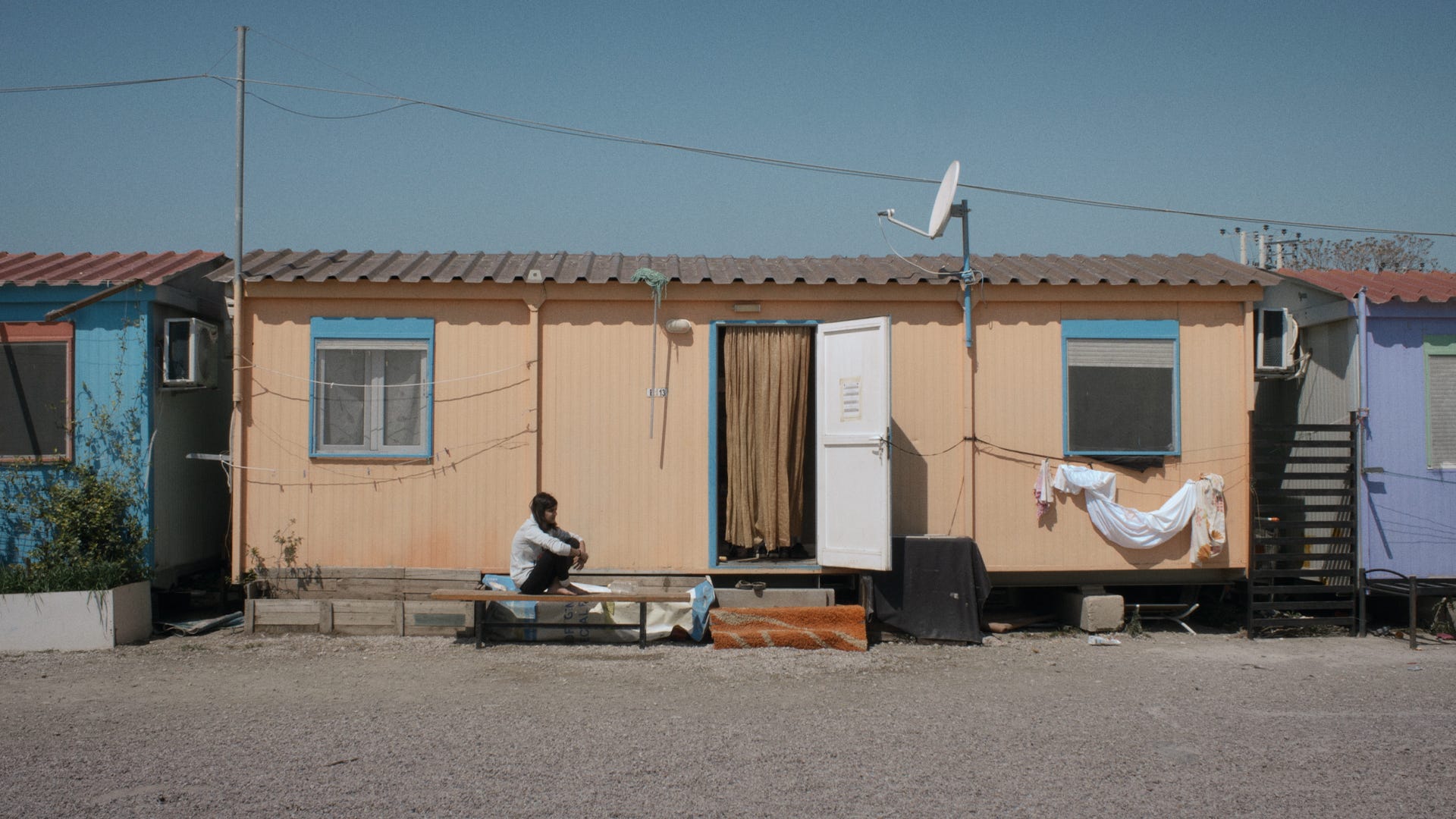
Abbas: After all these years, the film premiered in Leipzig with the family present, and it went on to receive the Young Eyes Film Award. How did audiences, especially younger viewers, respond to the film? What kinds of conversations did you have with them after the screenings?
Christos: The world premiere in Leipzig, and the award for the film, exactly ten years after we first met in October 2016, felt like the best possible ending for all of us.
First of all, we wanted to experience this moment together with the whole family and the sisters. Secondly, we would have been delighted if it could happen in Leipzig, as this is now their home. Both wishes came true, and even more than we had hoped for.
All three screenings were sold out in advance, and the audience, both young people and adults, really embraced the film and gave it a very warm reception. With the amazing support of Tina Jany and DOK Education, the film was also shown to teachers and almost 200 students at a special screening. The feedback was incredibly encouraging.
There were many questions about the filming experience. The young viewers were particularly interested in how we managed to film the girls in such a natural and authentic way, and how this relationship of trust had been built over the years. There was also a lot of enthusiasm about the film the girls had made themselves, and many questions about how they had created it.
We are really thrilled about our DOK Leipzig premiere, and especially about the opportunity to meet such a young audience and experience their warm response to the film. These are the audiences of the future, and the audiences for whom I believe documentaries really matter. Unfortunately, we don’t meet them often enough at documentary screenings.
Abbas: Thank you for sharing these experiences. I’d like to end with a more personal question. You’ve spent seven years following the sisters as they grew up, but how have you changed during that time? What have Hanieh, Shazieh and Nazieh taught you about life and filmmaking?
Christos: Working in refugee education and meeting refugee children like the sisters was a very meaningful experience for me, especially as I had suddenly found myself living in a country where everything seemed devalued, including my work as a teacher, and where the economic crisis had created a deeply pessimistic view of the future.
This encounter made me think a lot about the importance of affection and human relationships, and how essential they are for a meaningful life, despite all the inequalities and difficulties we face. It reminded me that children always carry within them the possibility of a new future worth living for.
And the sisters made me even more certain that documentary filmmaking is, above all, about human relationships. Relationships that need to be respected and honoured throughout the filmmaking process, but also after the film is finished.
My thanks to Christos Stefanou for taking the time to answer my questions and for speaking so openly about the film, the trust he built with the sisters, and the responsibility he felt towards them throughout these years.
More About the Film
Moving Sisters follows three Afghan sisters, Hanieh, Shazieh and Nazieh, who spent part of their childhood in a refugee camp in Athens while separated from their mother in Germany.
Filmed over seven years, the 92-minute Greek documentary follows their experiences of growing up, learning new languages and rebuilding family life. The sisters also contributed to the filmmaking process, including creating their own fictional scenes.
Festival Screenings and Awards
Moving Sisters had its world premiere on 28 October 2026 at DOK Leipzig, where it screened in the Young Eyes section and received the Young Eyes Film Award.
Film Credits
Moving Sisters (2026), 92 minutes, Greece. Director, Script, Cinematography and Sound Recording: Christos Stefanou. Editors: Rodrigo Tejero Hernandez, Evgenia Papageorgiou. Producers: Michalis Kastanidis, Christos Stefanou. Sound Design: Jose Bautista. Music: Mahmood Schricker. Production Assistant: Ioulia Triantafyllidi. Production Advisor: Kyveli Short. Editing Consultant: Afsaneh Salari. Editing Assistant: Elpida Nikou. Academic Consultant: Alexandra Androusou. Graphic Designer: Io Chaviara. Color Grading: Maria Tzortzatou. Production: Fabula Productions.
License
This piece, published by Souzian Dispatch and written by Abbas Souzian, is licensed under the Creative Commons Attribution-ShareAlike 4.0 International License (CC BY-SA 4.0), unless otherwise noted.
Images & Videos Credits and Rights
Certain images and videos included in this piece are not owned by Abbas Souzian or Souzian Dispatch and are not covered by this license. Rights to those materials remain with their respective copyright holders.