

![Abbas Souzian [Journalist]'s avatar](https://substackcdn.com/image/fetch/$s_!jkIz!,w_108,h_108,c_fill,f_webp,q_auto:good,fl_progressive:steep/https%3A%2F%2Fsubstack-post-media.s3.amazonaws.com%2Fpublic%2Fimages%2Ffa826ba8-cee6-41c0-830f-dfeaee93b2ca_1330x1330.jpeg)
The official selection of Cannes 2026 has been announced, and among this year’s major names, the presence of Middle Eastern and North African cinema is limited but meaningful. At the center of it is Parallel Tales, the new film by Iranian director Asghar Farhadi, which has entered the main Competition. Unlike many of his earlier works, including A Hero, this time the film is set in Paris and unfolds within the social and emotional atmosphere of France. Asghar Farhadi had previously made the French-language film The Past (2013), which brought him the Best Actress Award and the Prize of the Ecumenical Jury at the Cannes Film Festival.
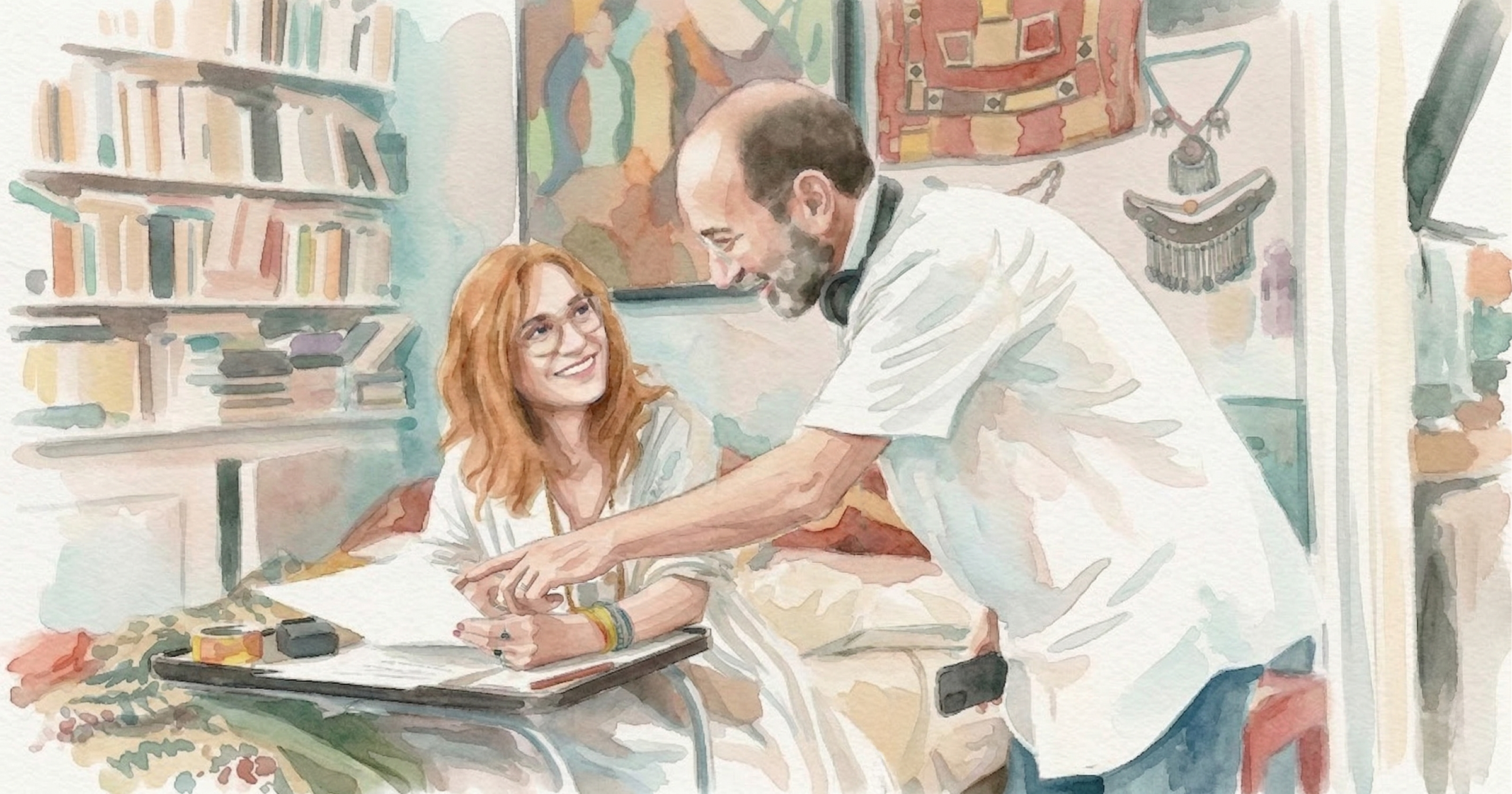
The MENA presence at Cannes this year is not only about the nationality of the filmmakers. Parallel Tales enters this conversation through Farhadi’s Iranian identity, but the story itself takes place in Paris. Reports about the film also point to a French production and filming in the French capital. That means one of the most important Iranian voices in contemporary cinema is arriving at Cannes this time with a story set outside Iran itself. Very little has been released so far about the plot, but early synopses suggest that the film follows a young man who becomes deeply attached to an older woman, a relationship that slowly turns into a dangerous obsession.
In the Un Certain Regard section, La Más Dulce by Moroccan-French filmmaker Laïla Marrakchi is one of this year’s notable titles linked to North Africa. The film follows two young Moroccan women who travel to southern Spain for seasonal work. On one level, the story moves close to the experience of labor migration and separation from home. On another, more painful level, it looks at the vulnerability of women caught between economic need, discrimination, and abuse.
Also in Un Certain Regard, Yesterday the Eye Didn’t Sleep by Palestinian filmmaker Rakan Mayasi stands out as an important presence. Set in Lebanon’s Bekaa Valley, the film builds a heavy, mysterious, and unsettled atmosphere from the start. It begins with the disappearance of a teenage girl and gradually opens into layers of memory, fear, anger, and silence inside a closed community.
In the Special Screenings section, Rehearsals for a Revolution by Iranian filmmaker and actor Pegah Ahangarani has also been selected. This is her first feature film, and it engages directly with the political and social memory of Iran. Using personal archives, family images, home videos, and footage of protests, the film looks back across more than four decades of contemporary Iranian history.